15th World Down Syndrome Day Conference at United Nations New York
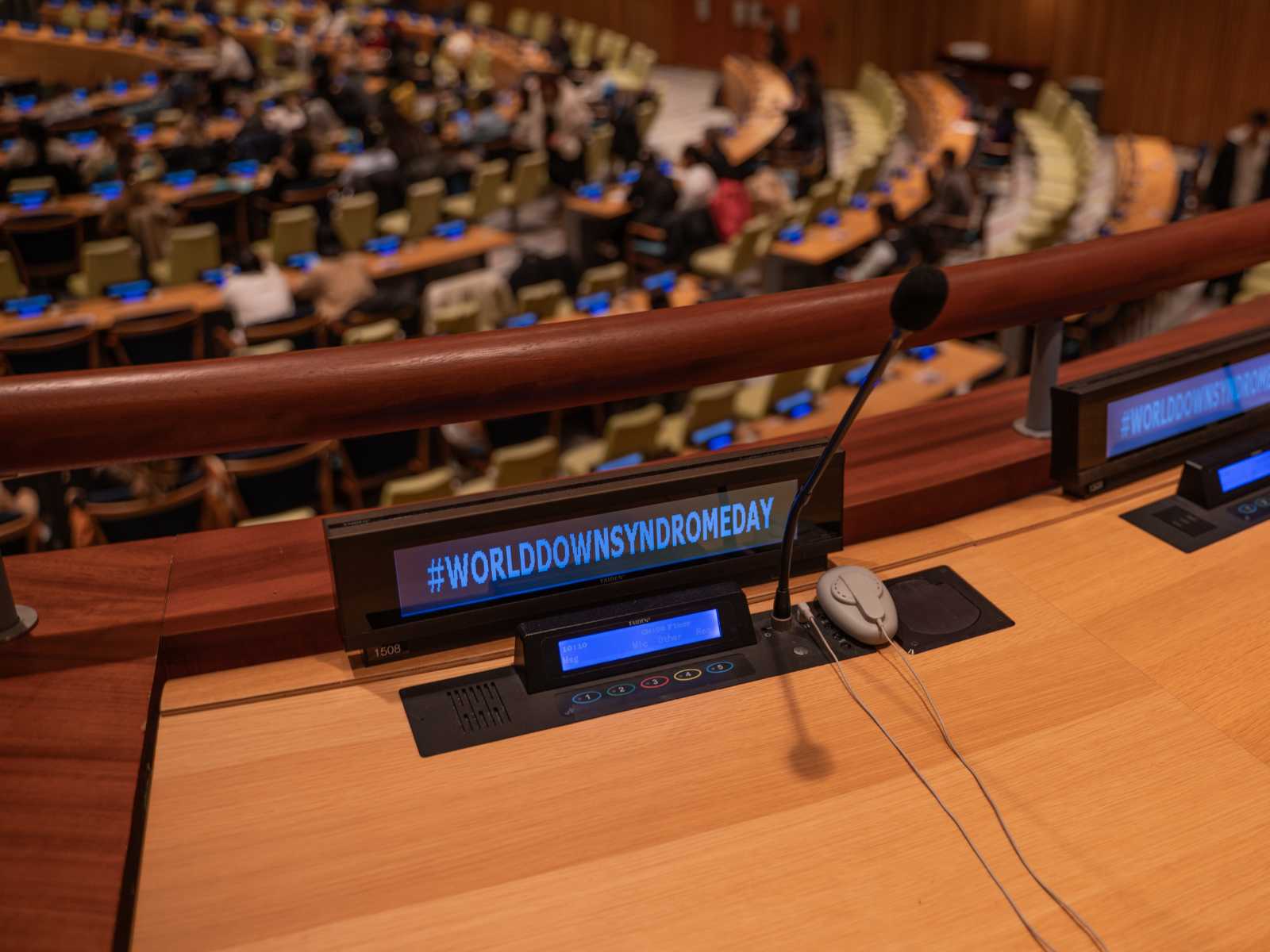
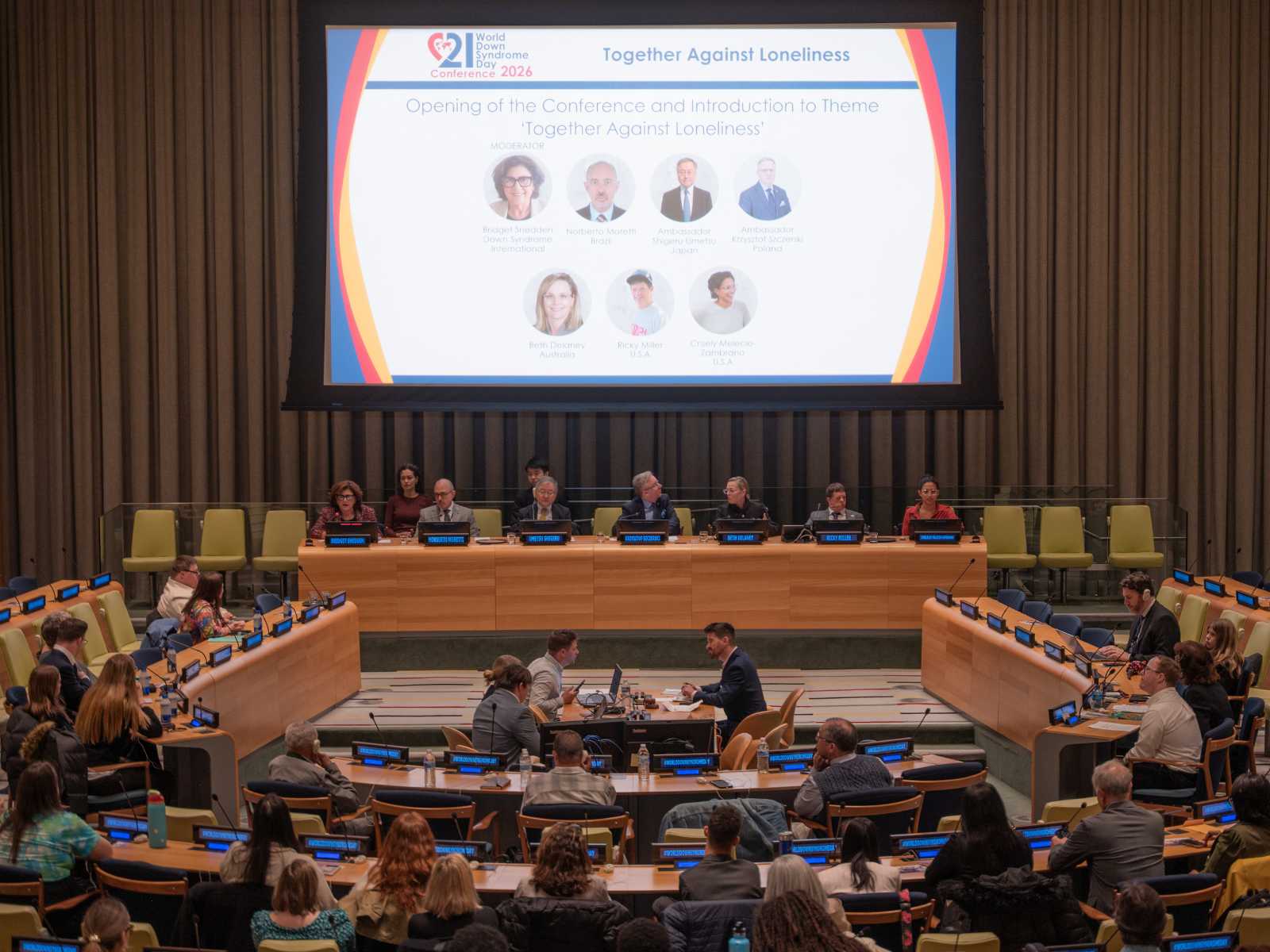
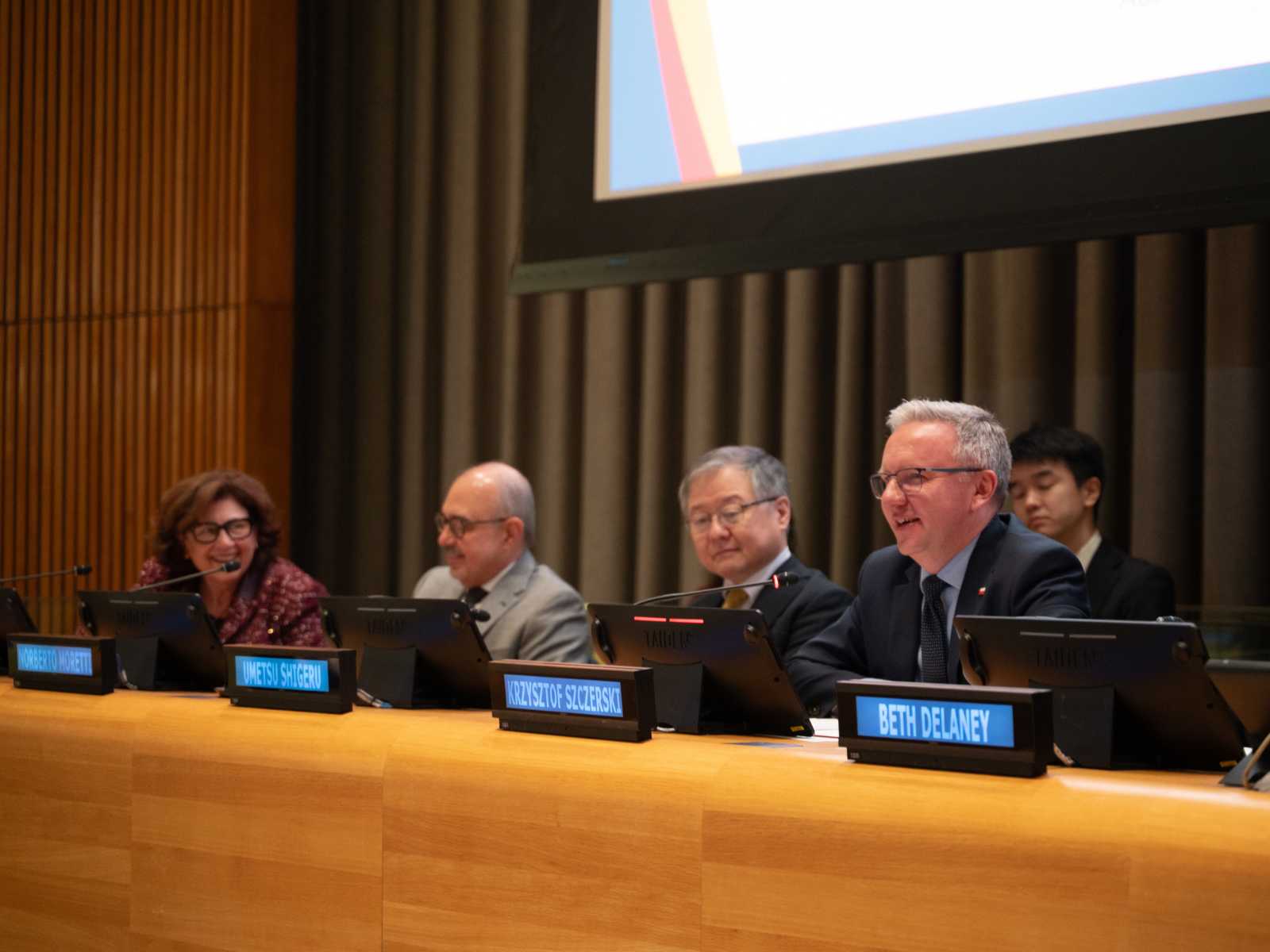
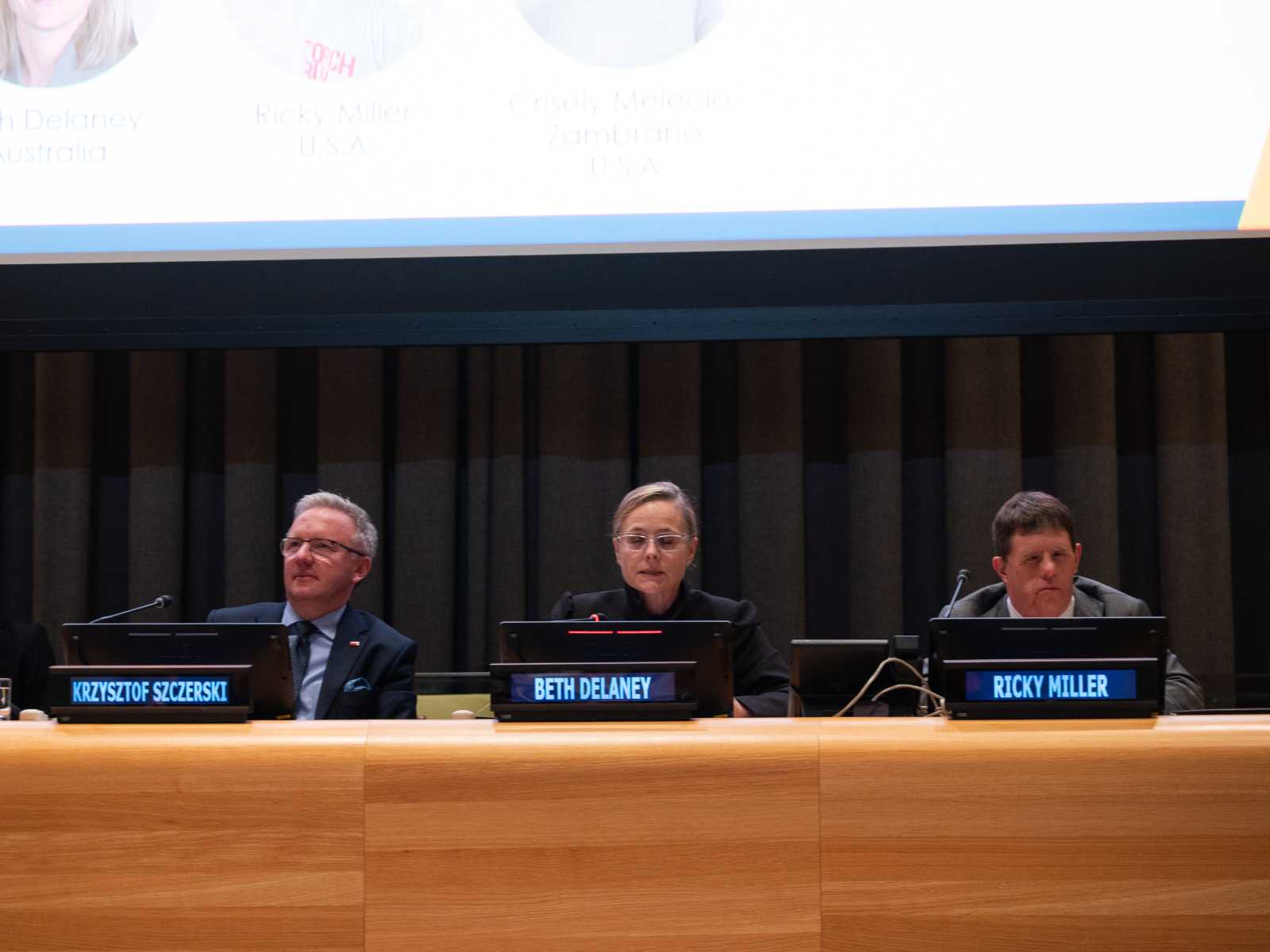
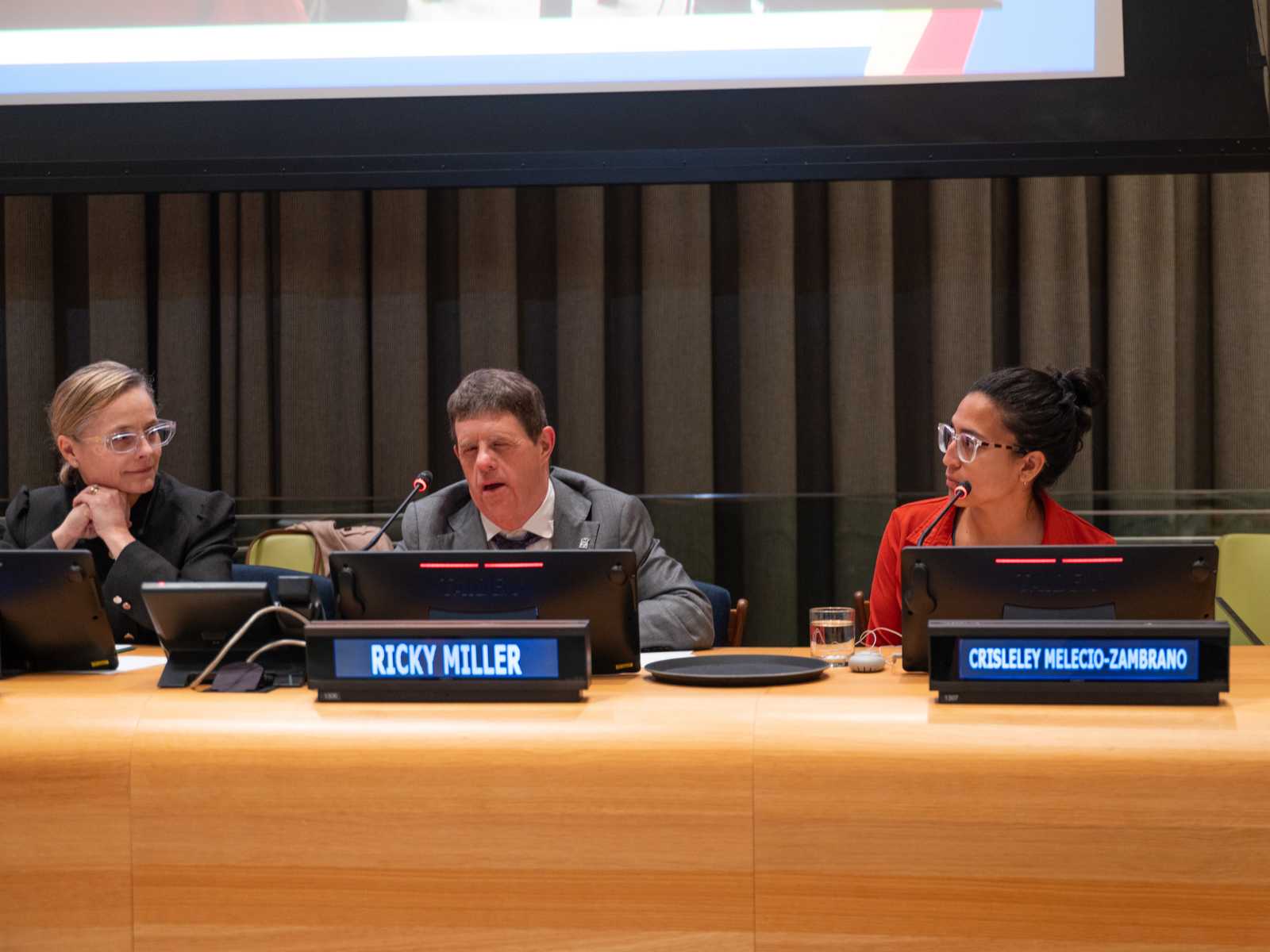
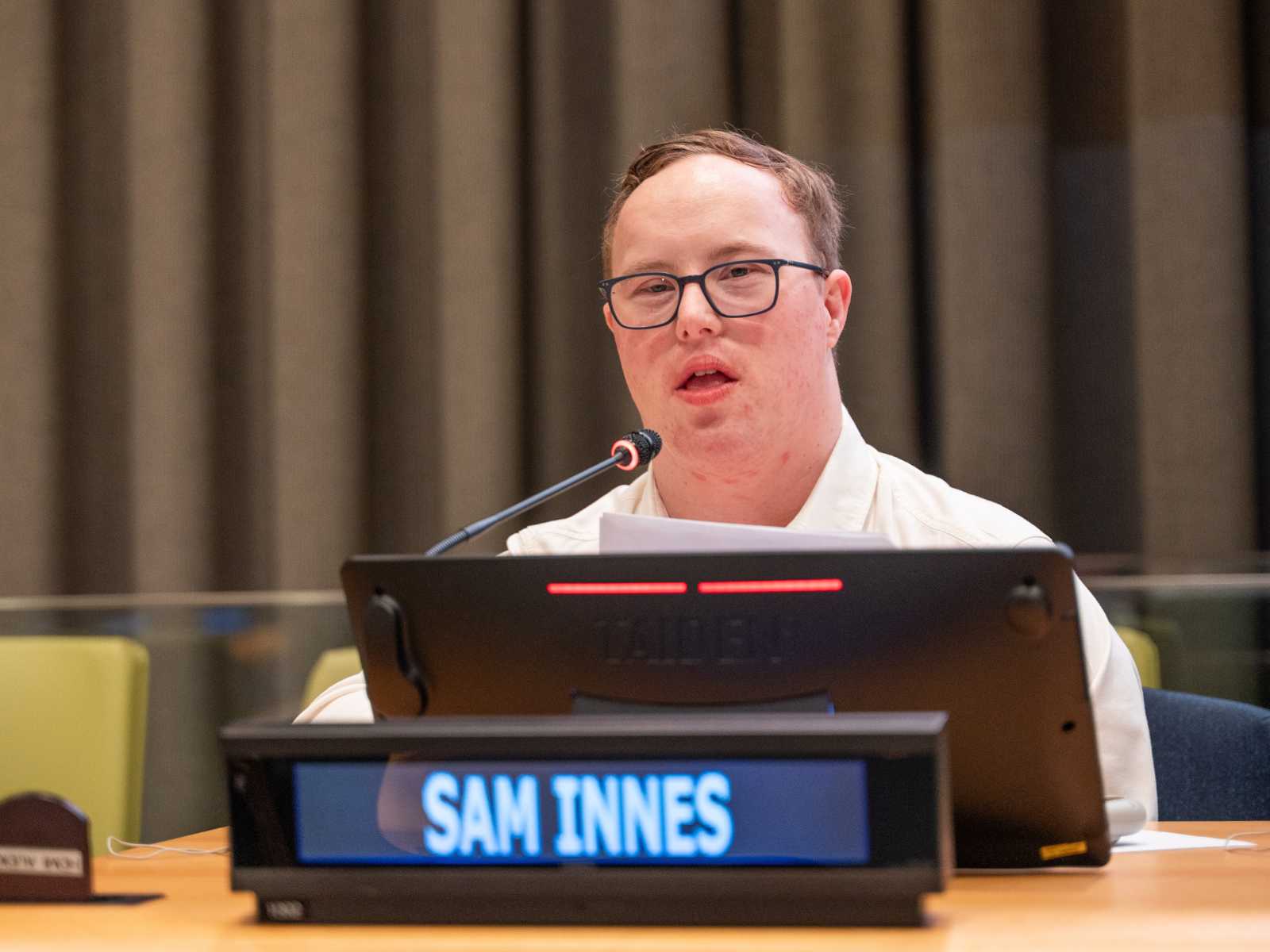
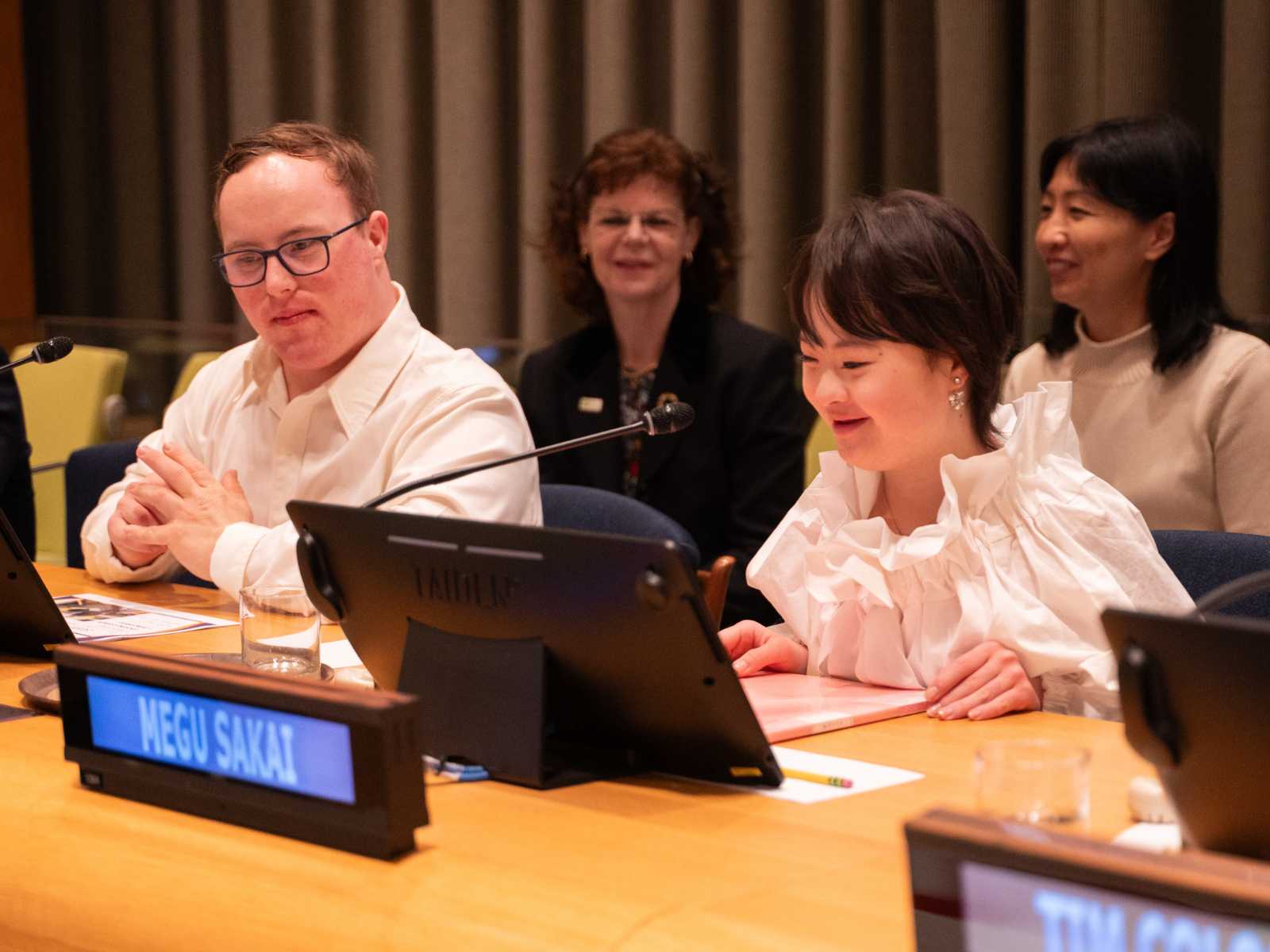
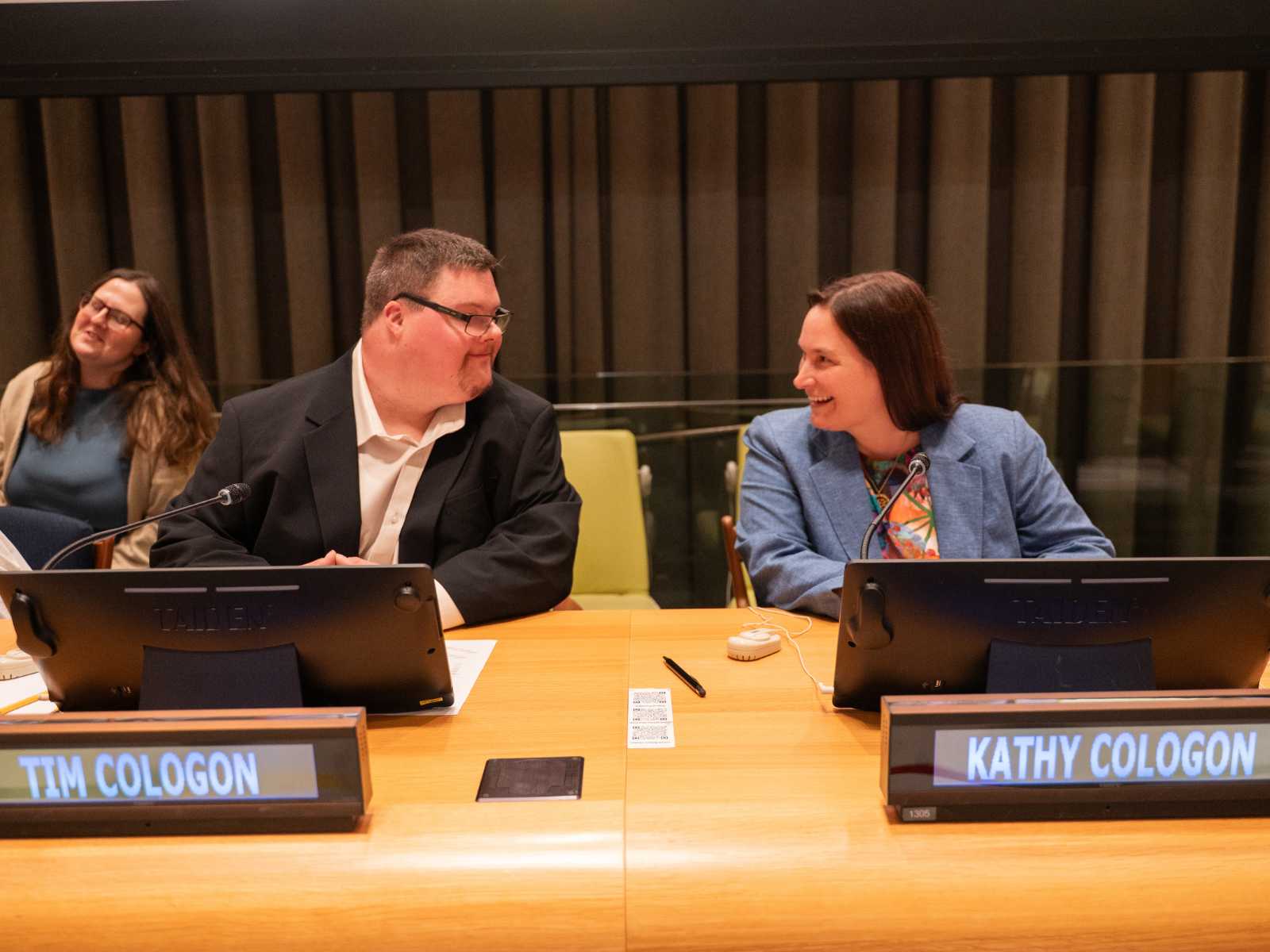
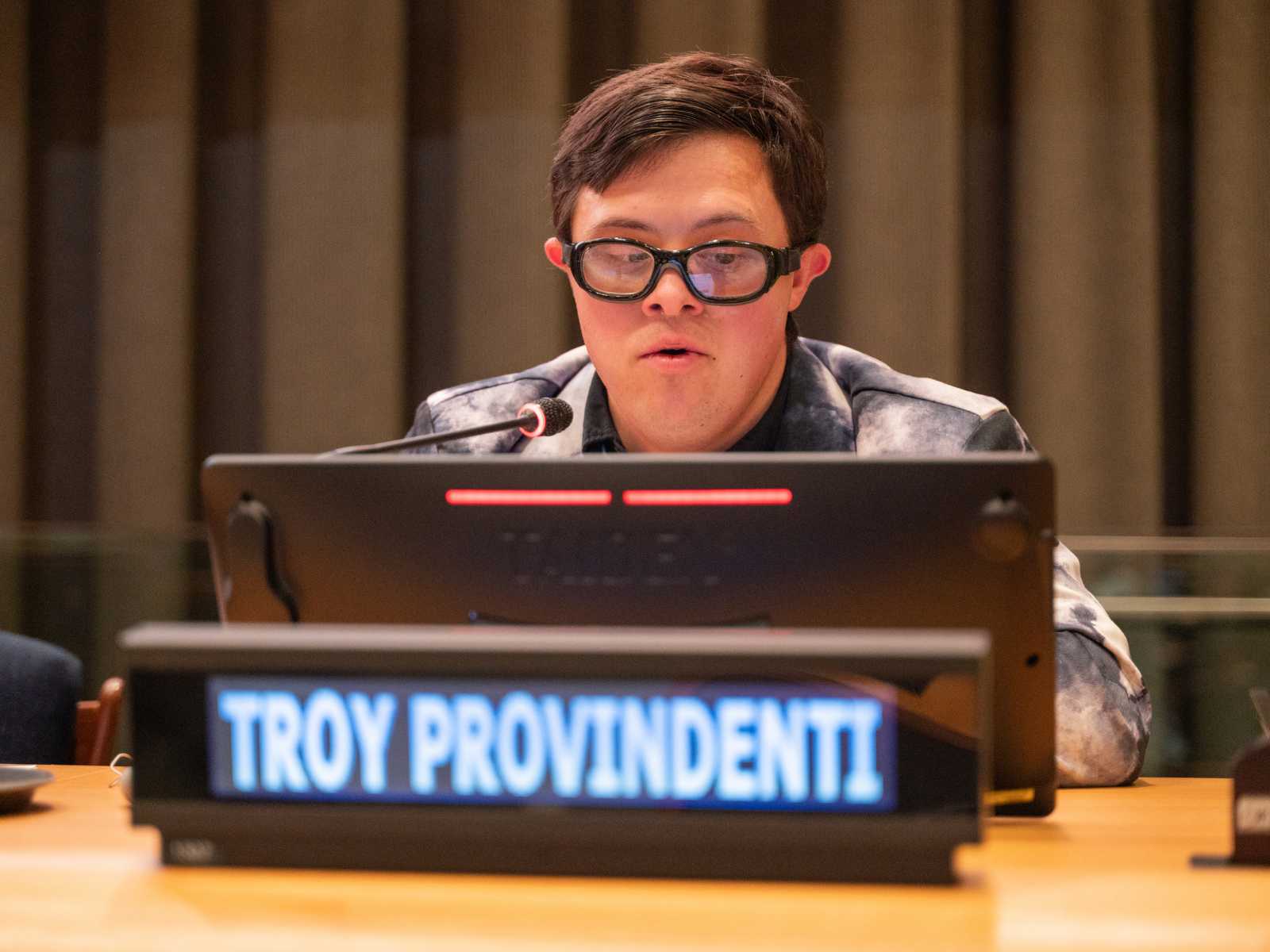
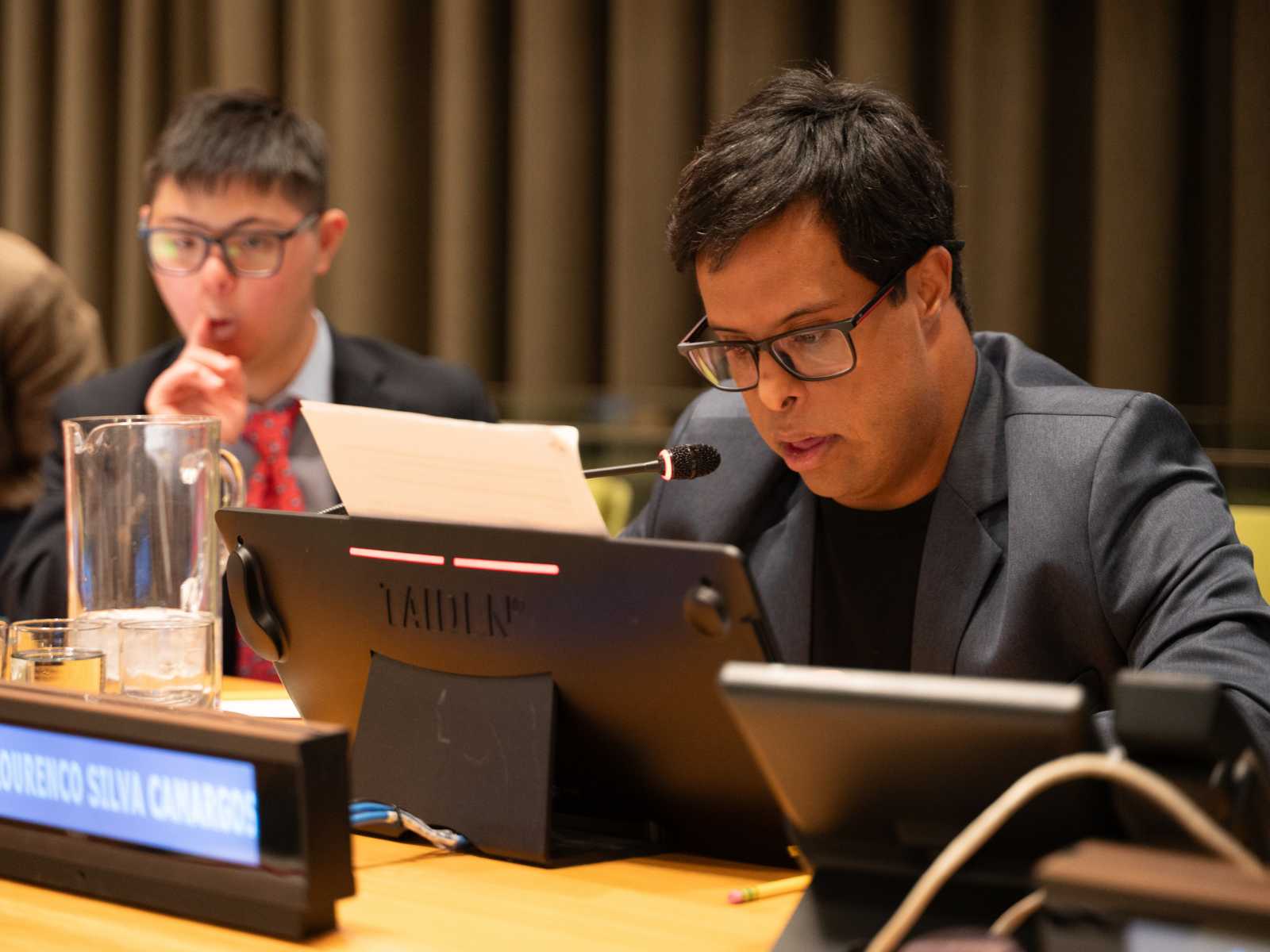
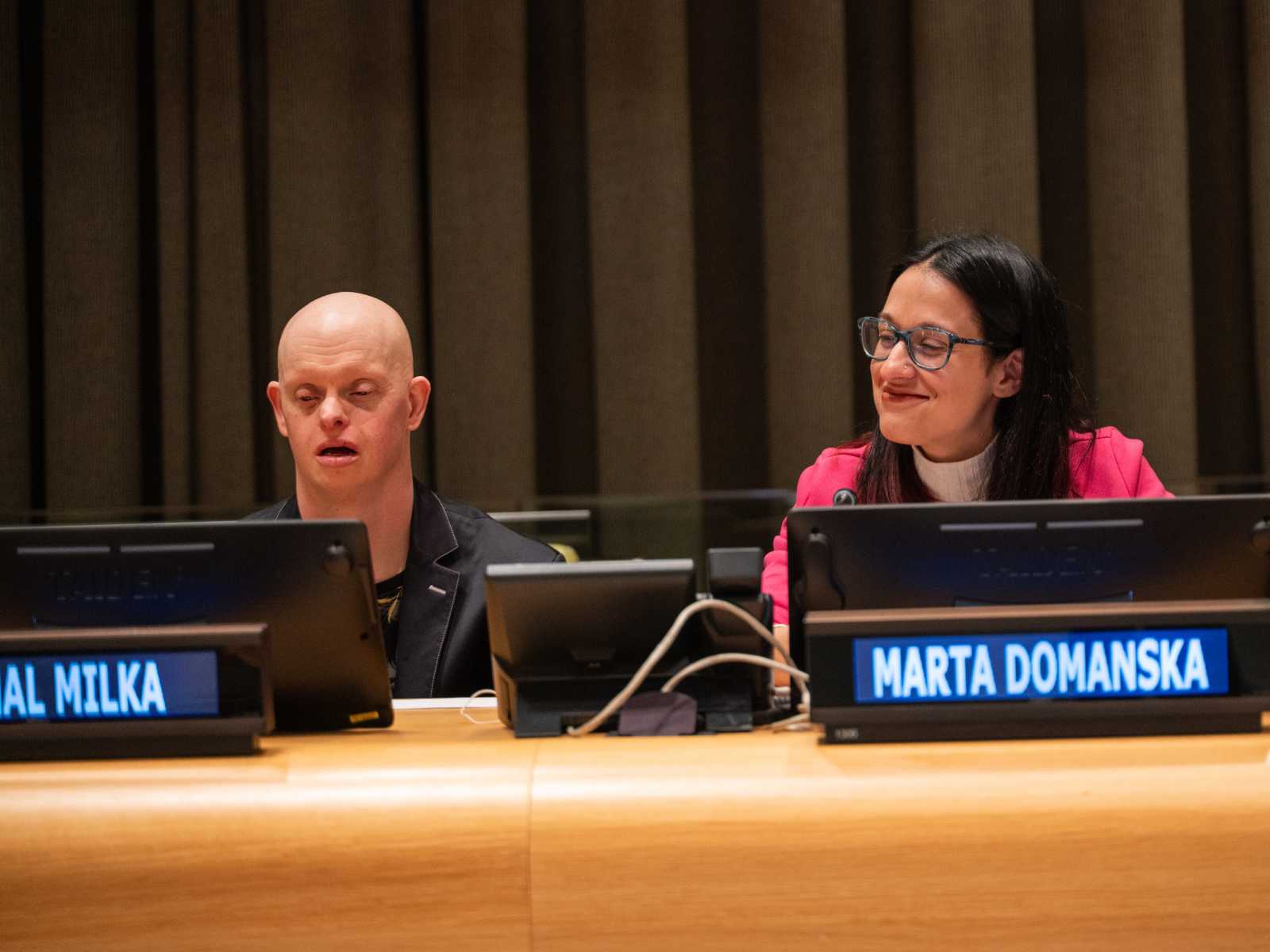
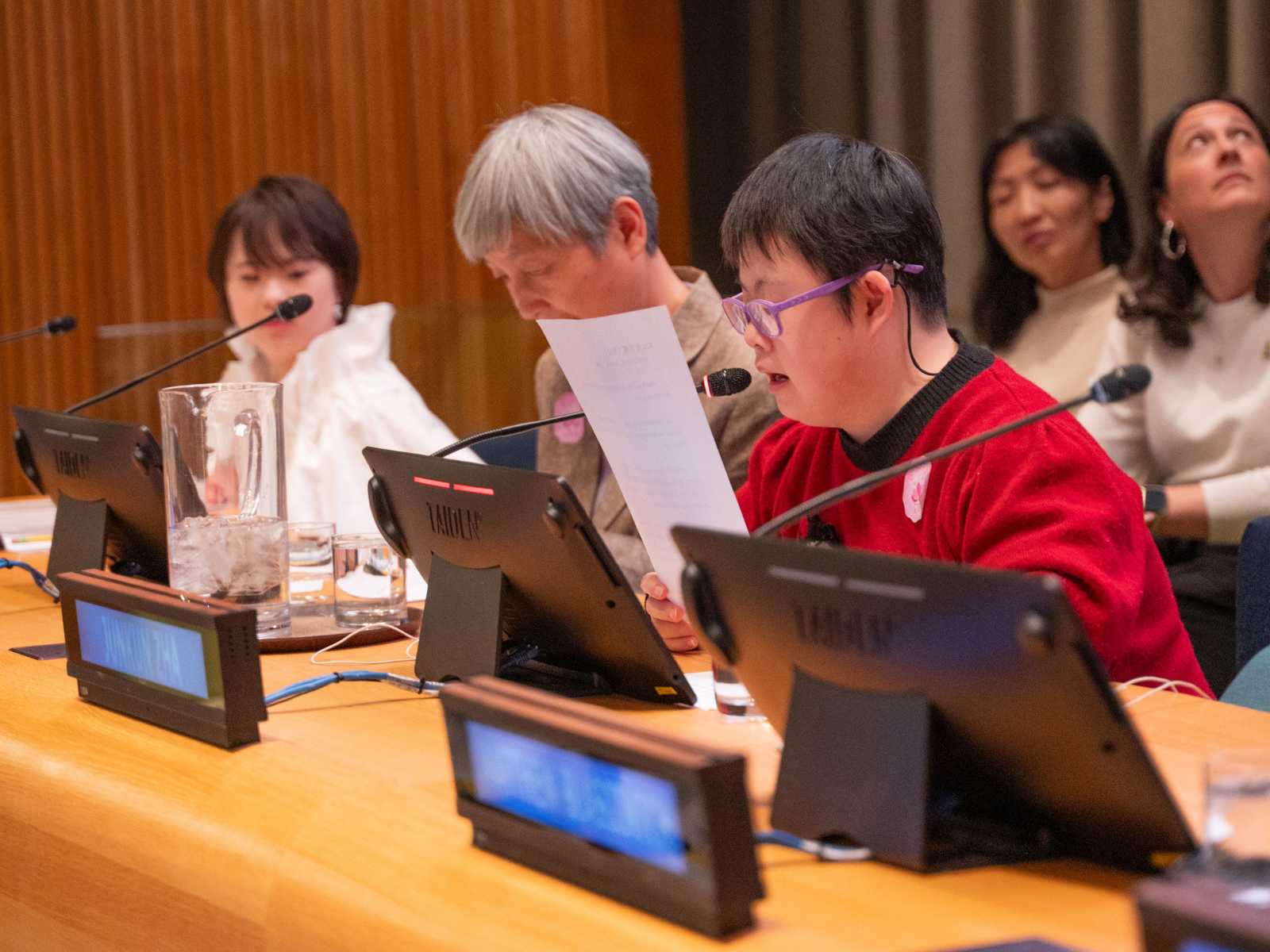
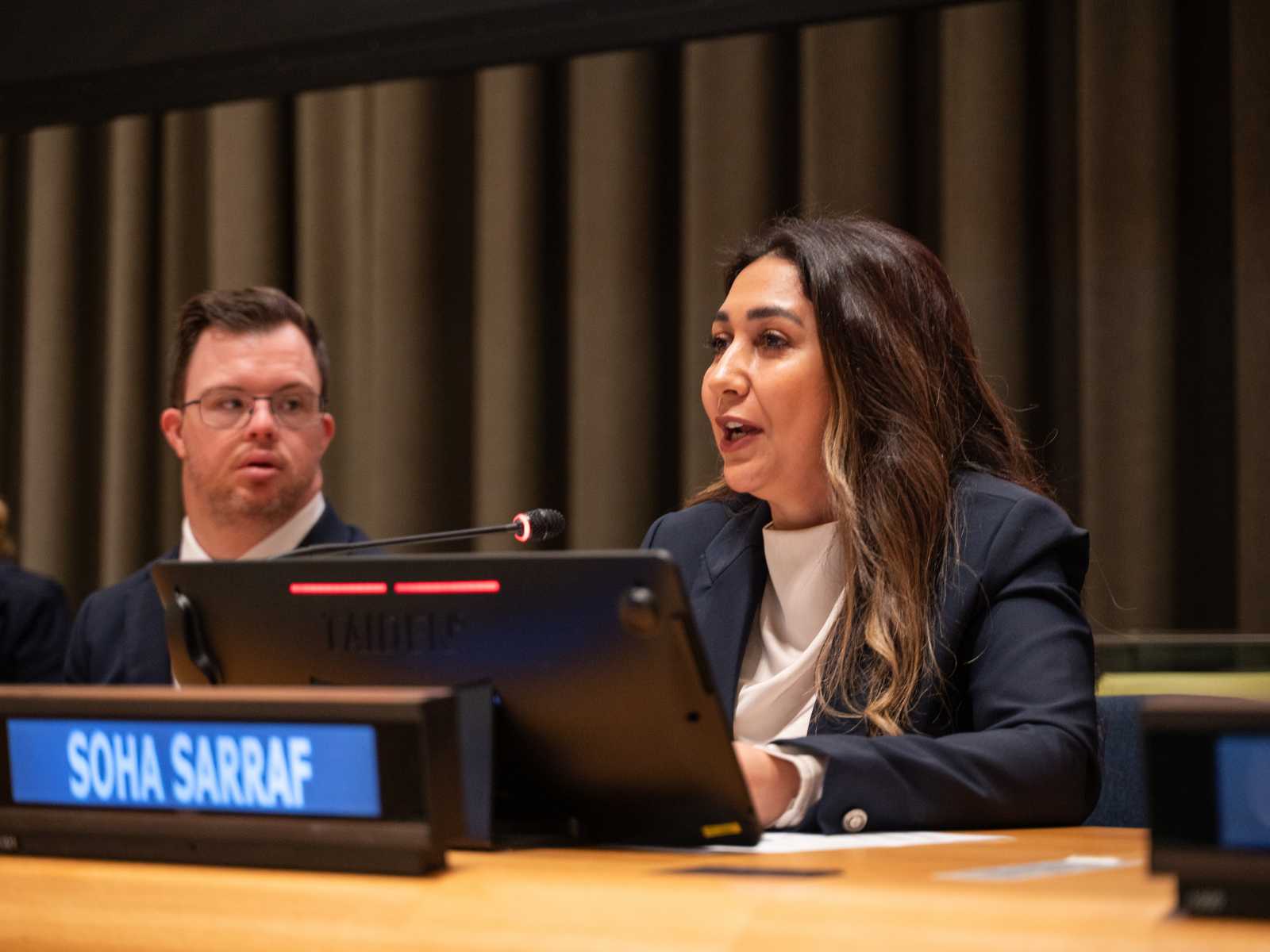
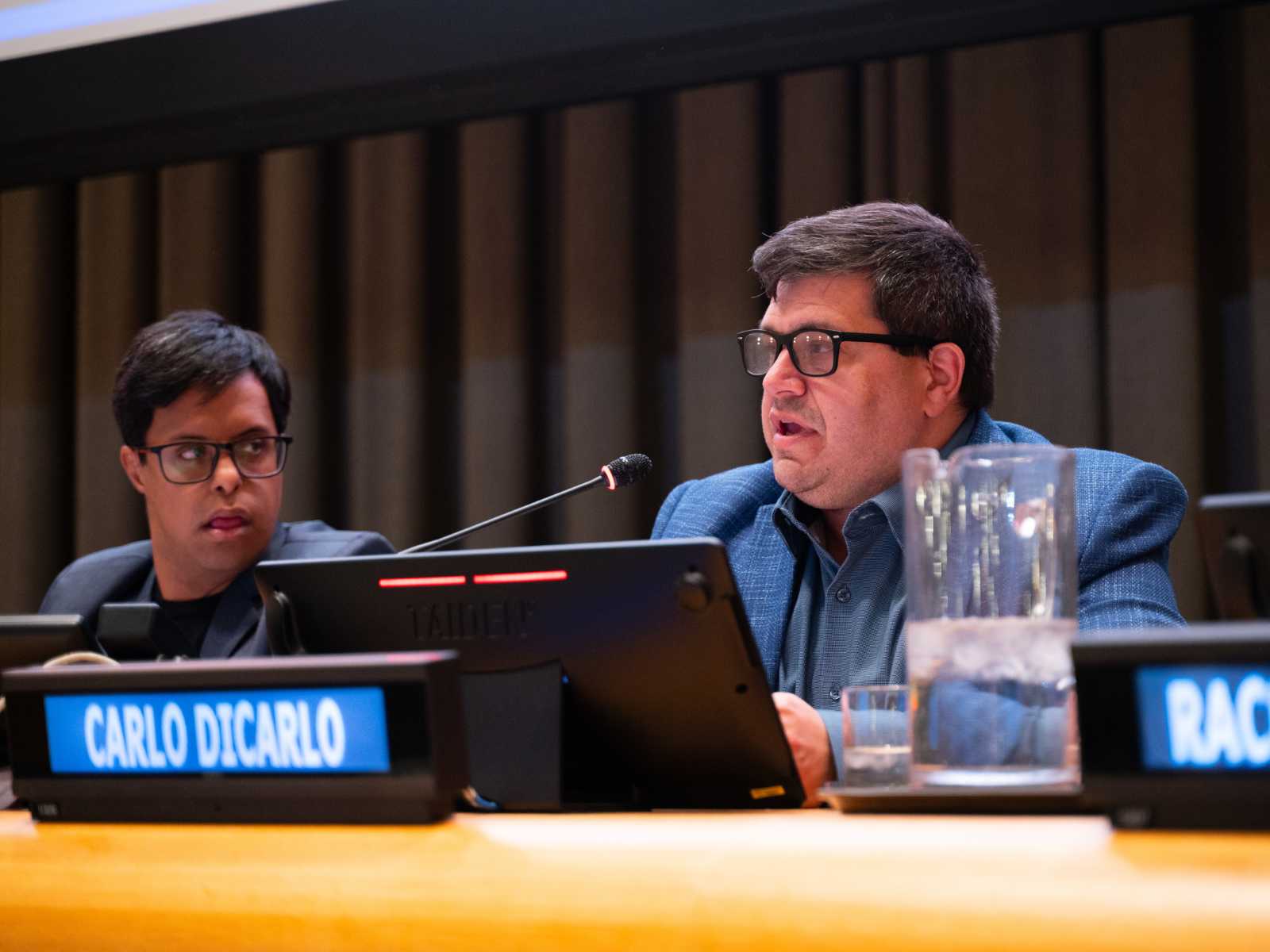
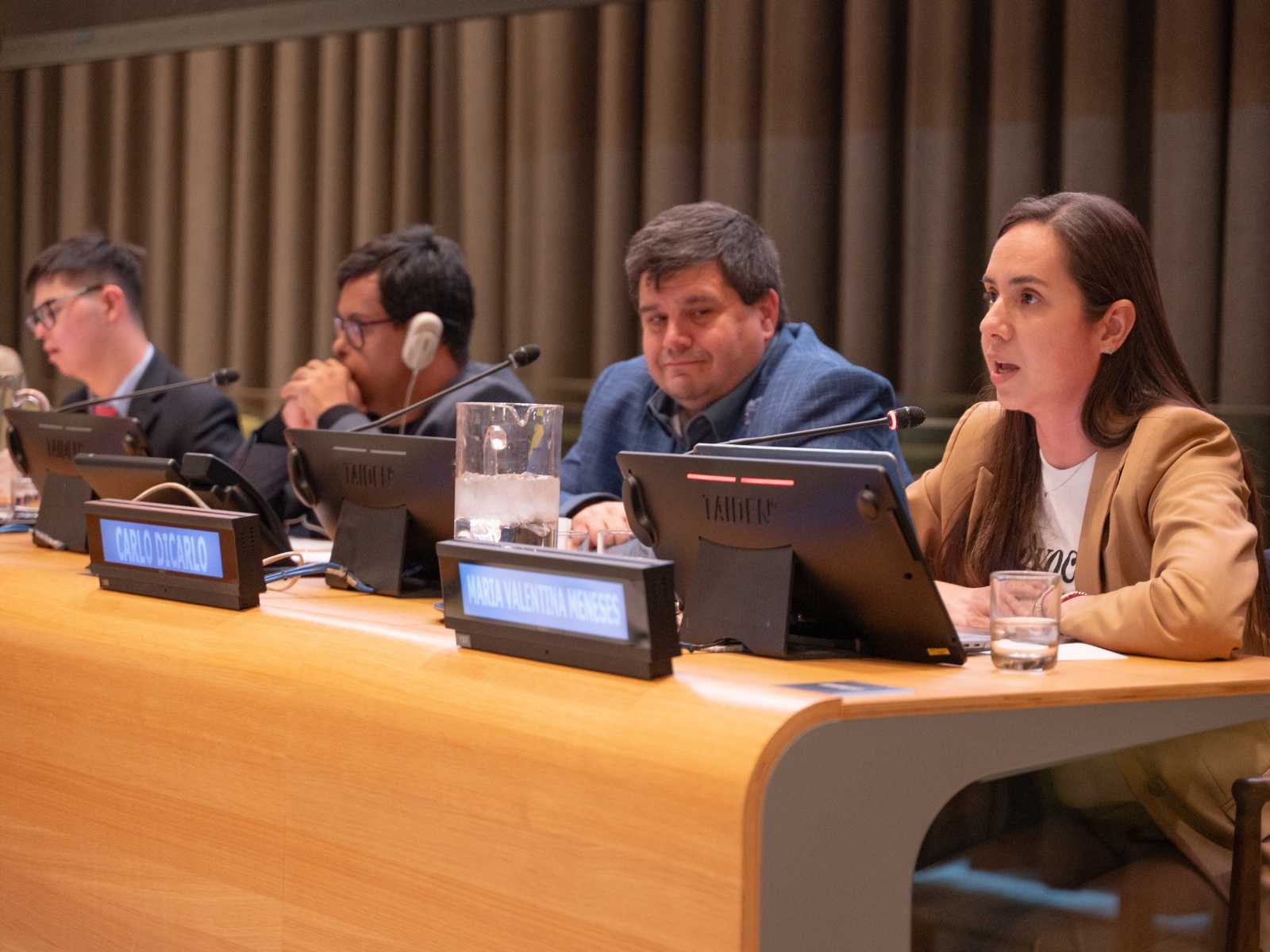
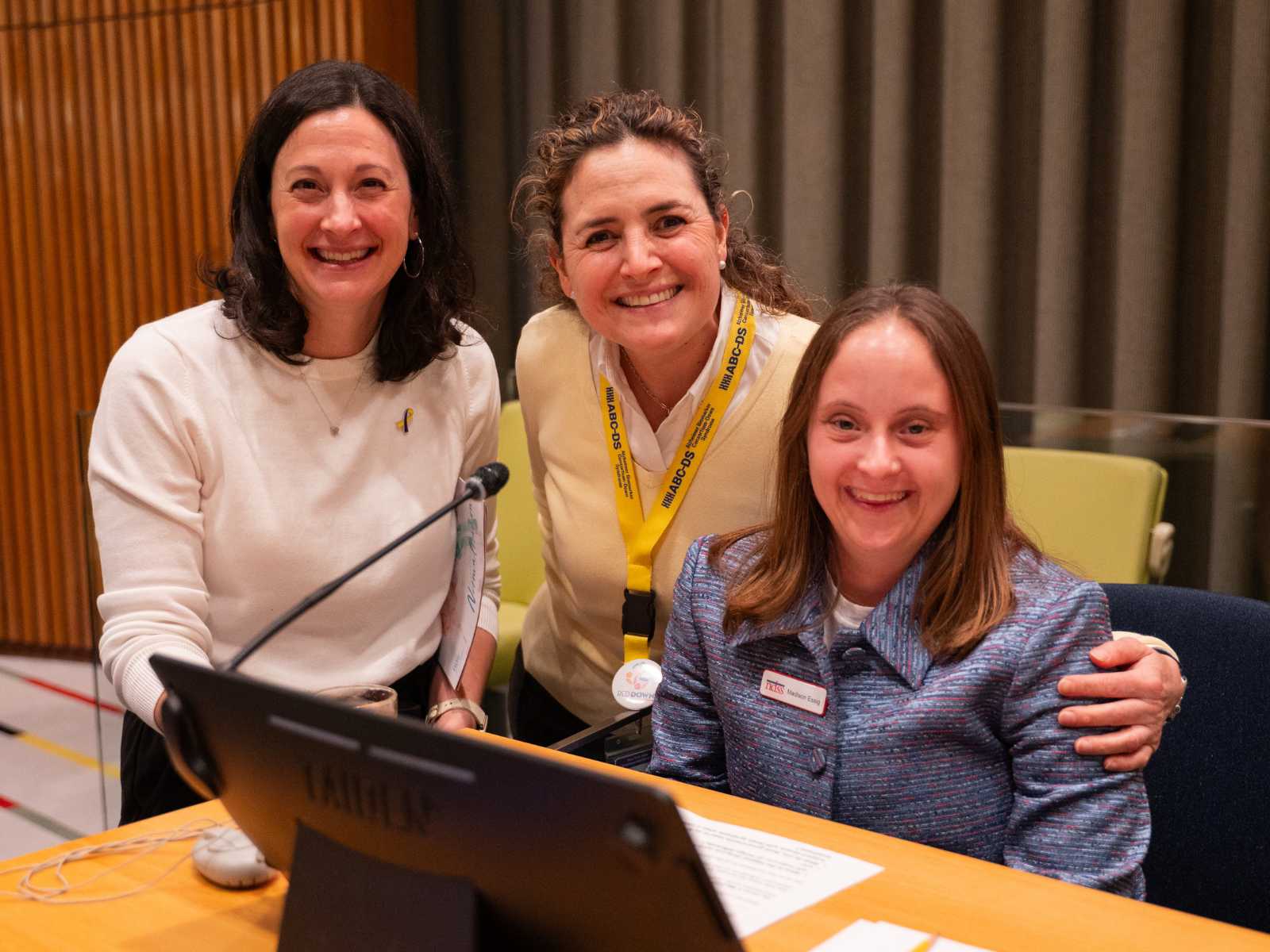
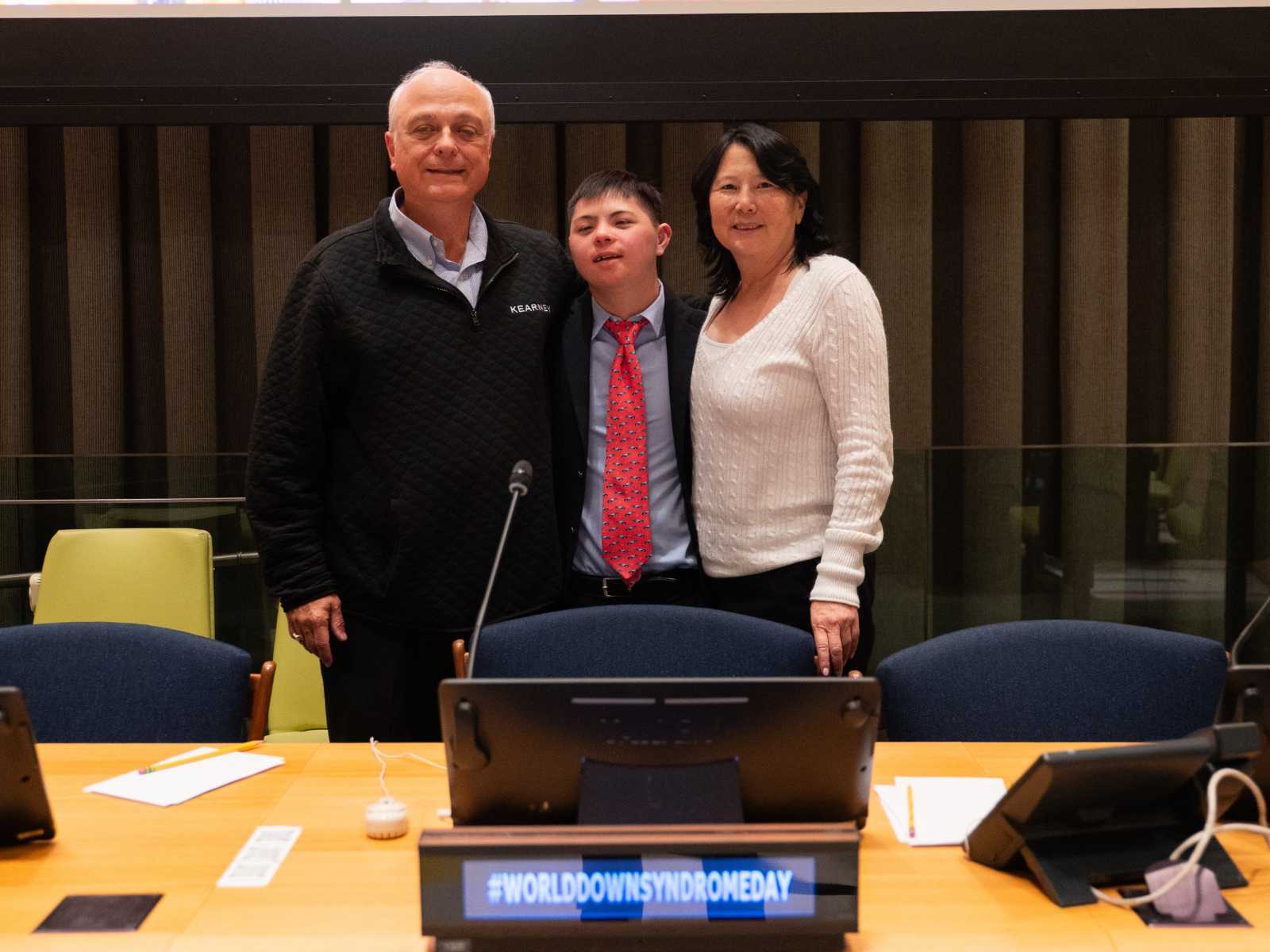
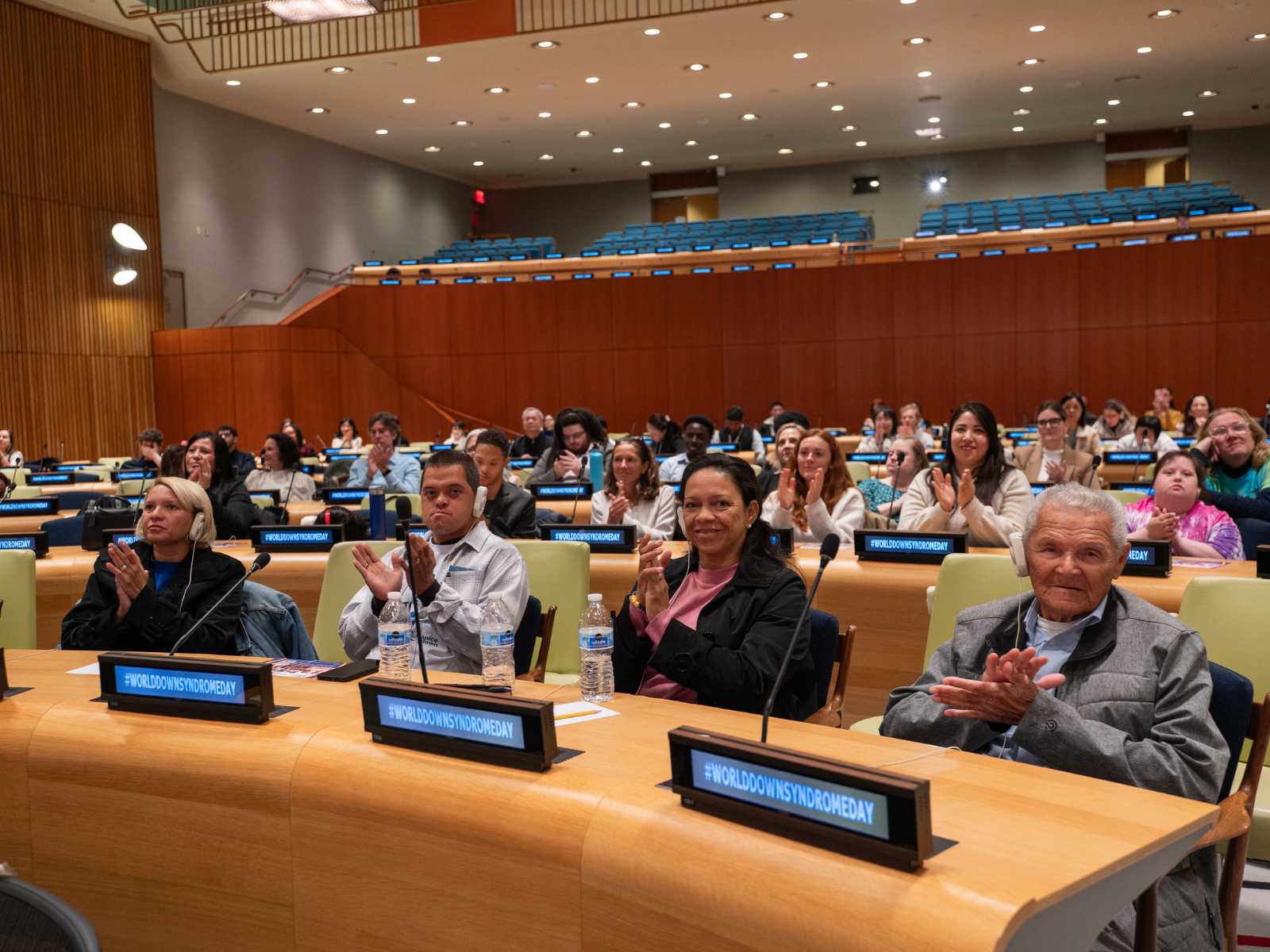
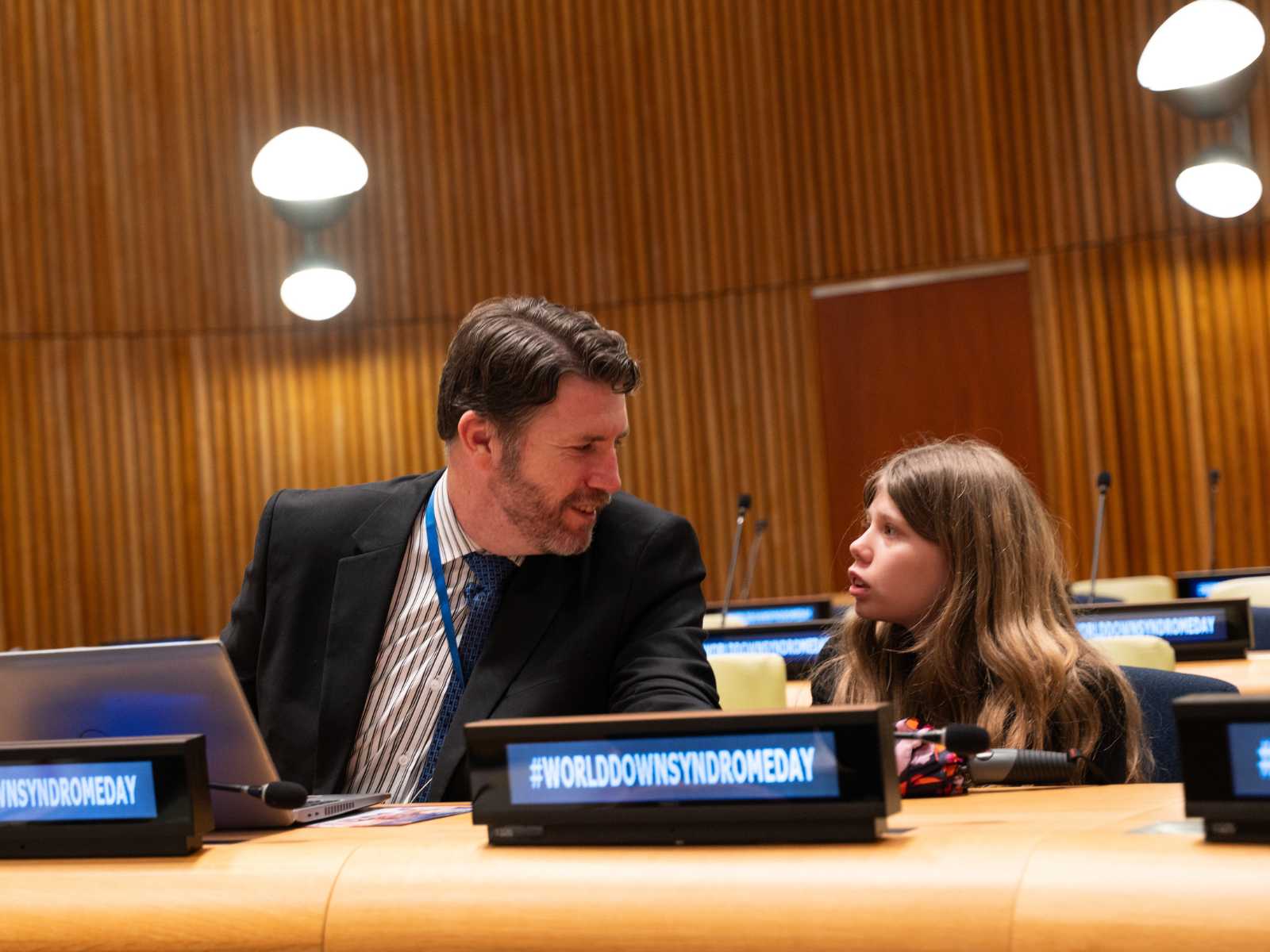
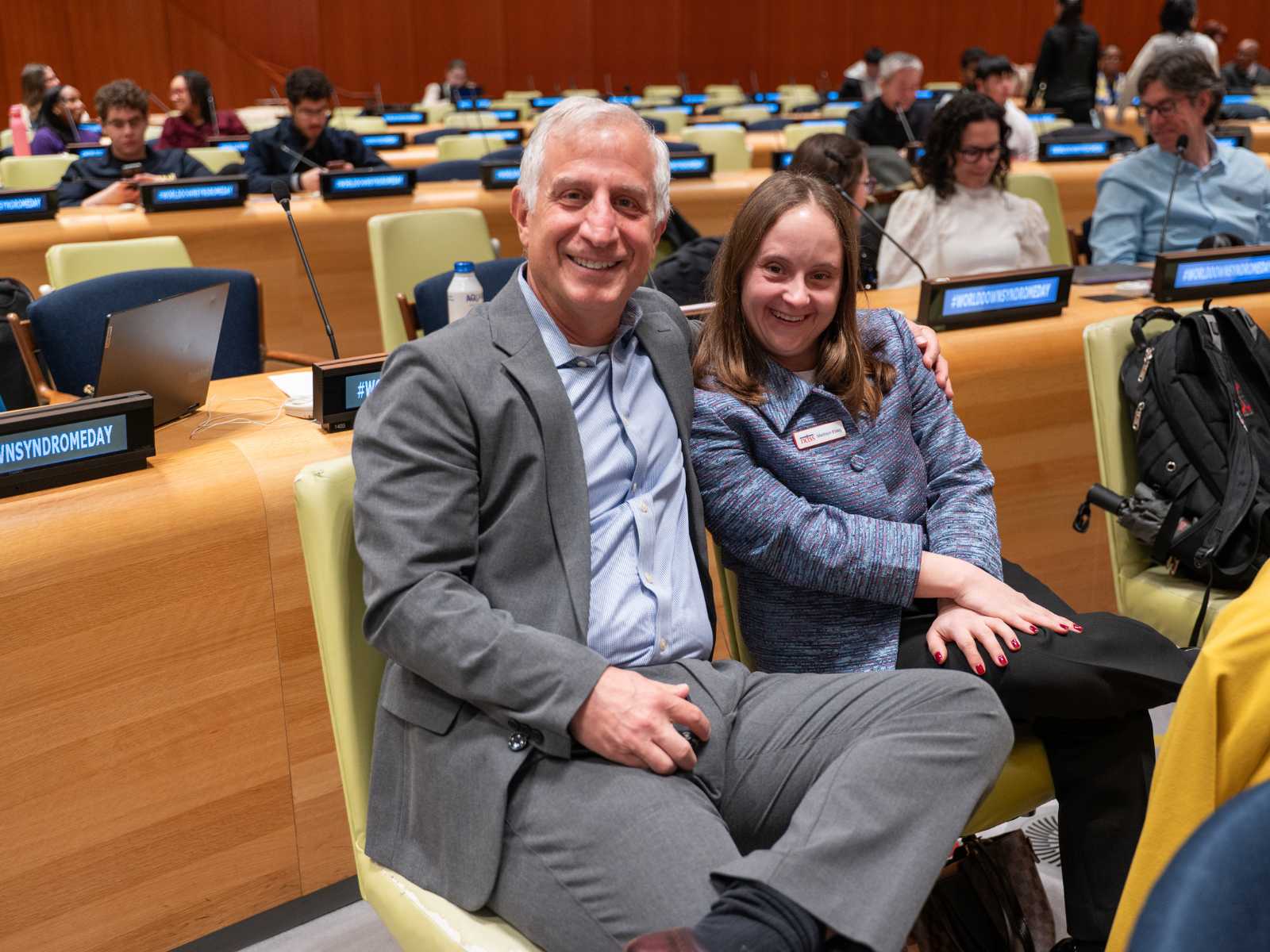
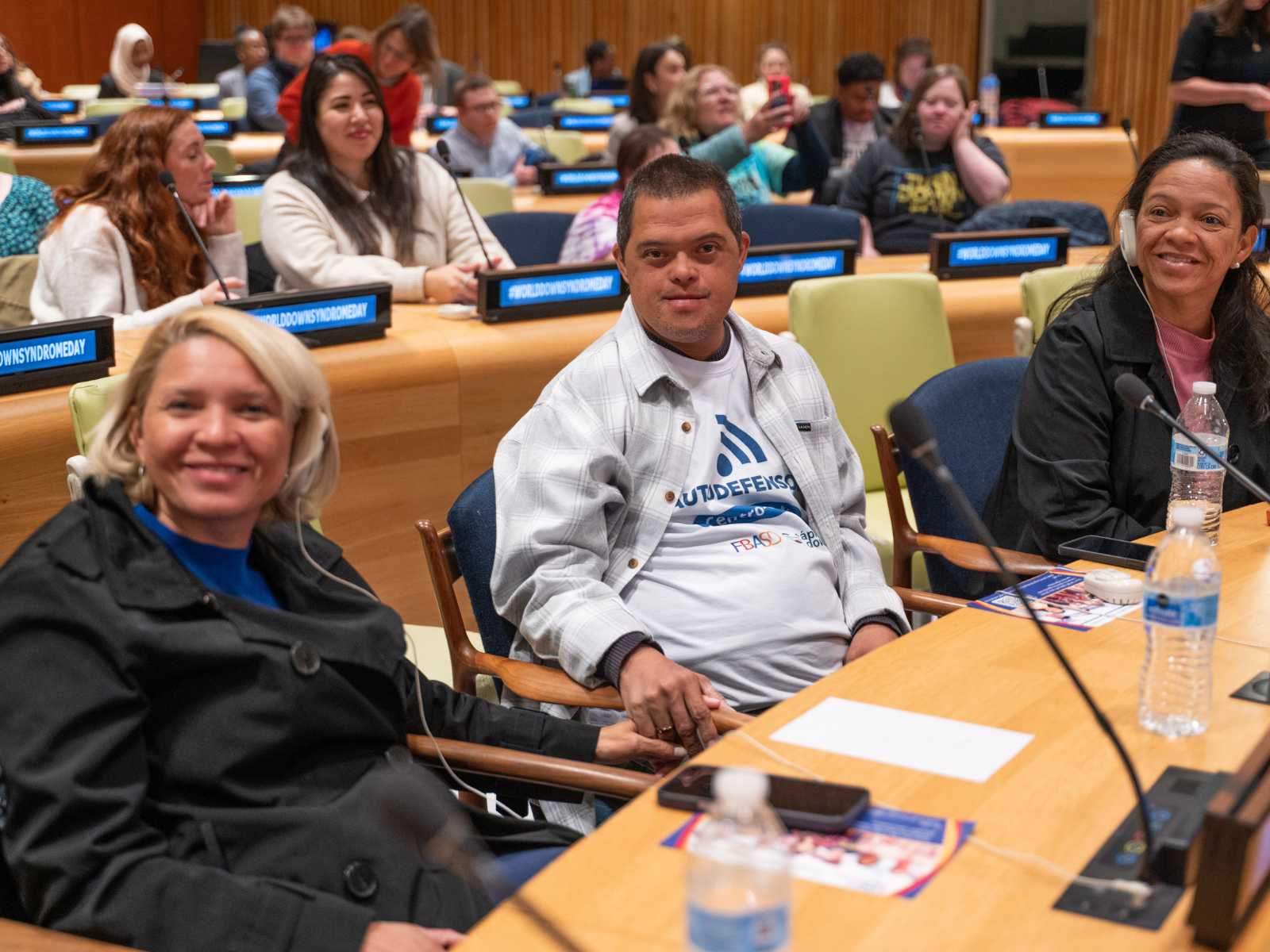
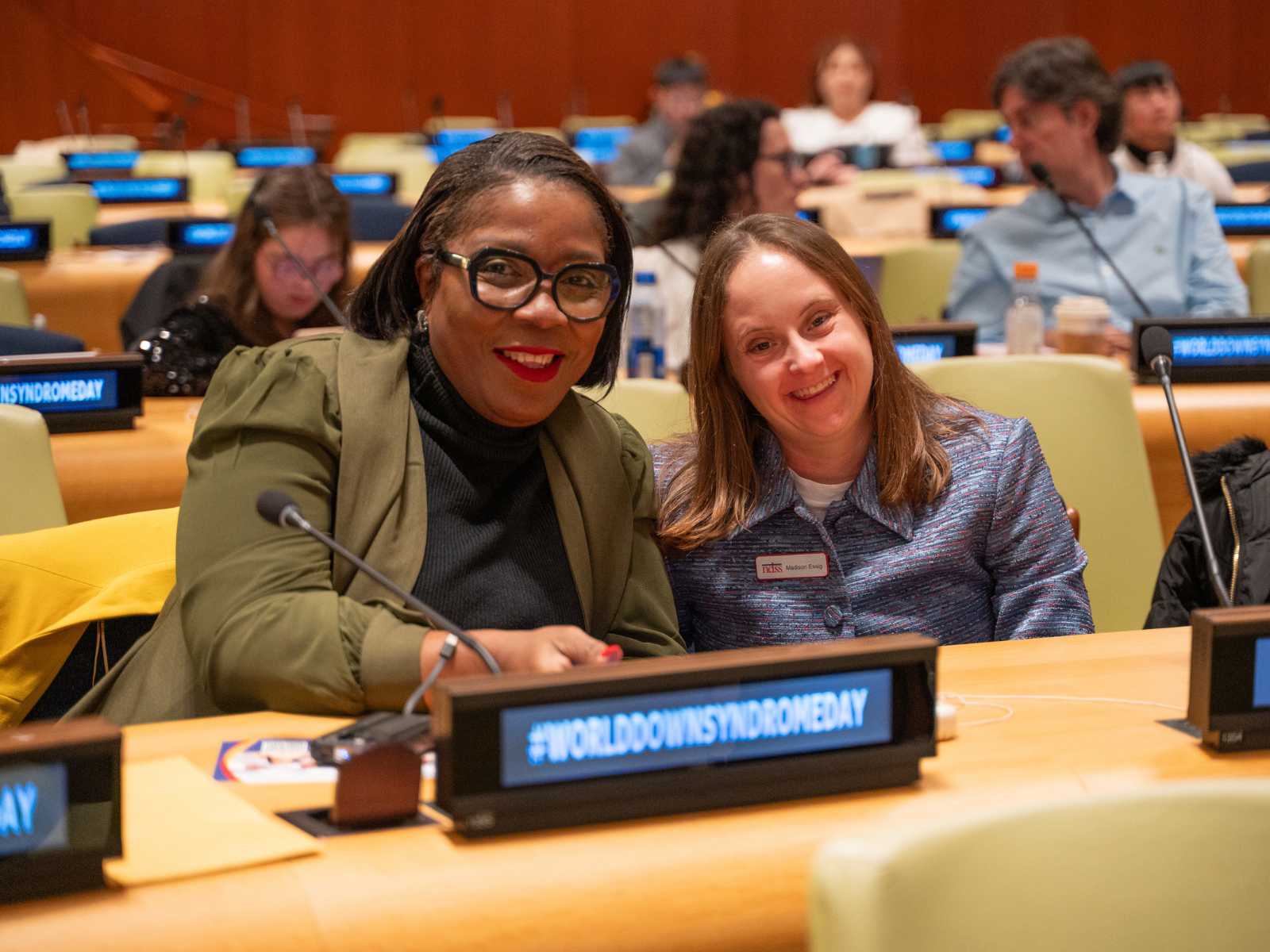
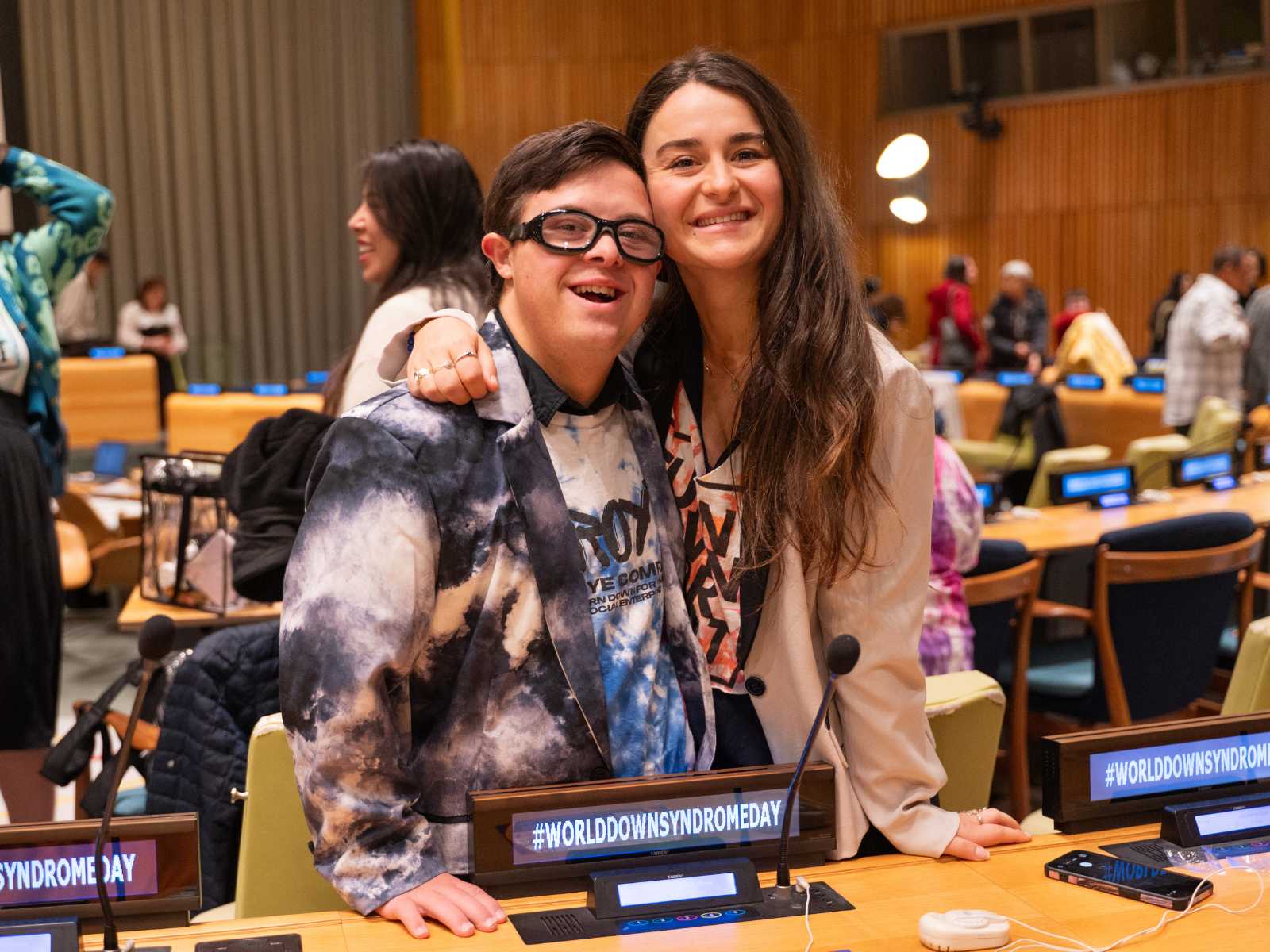
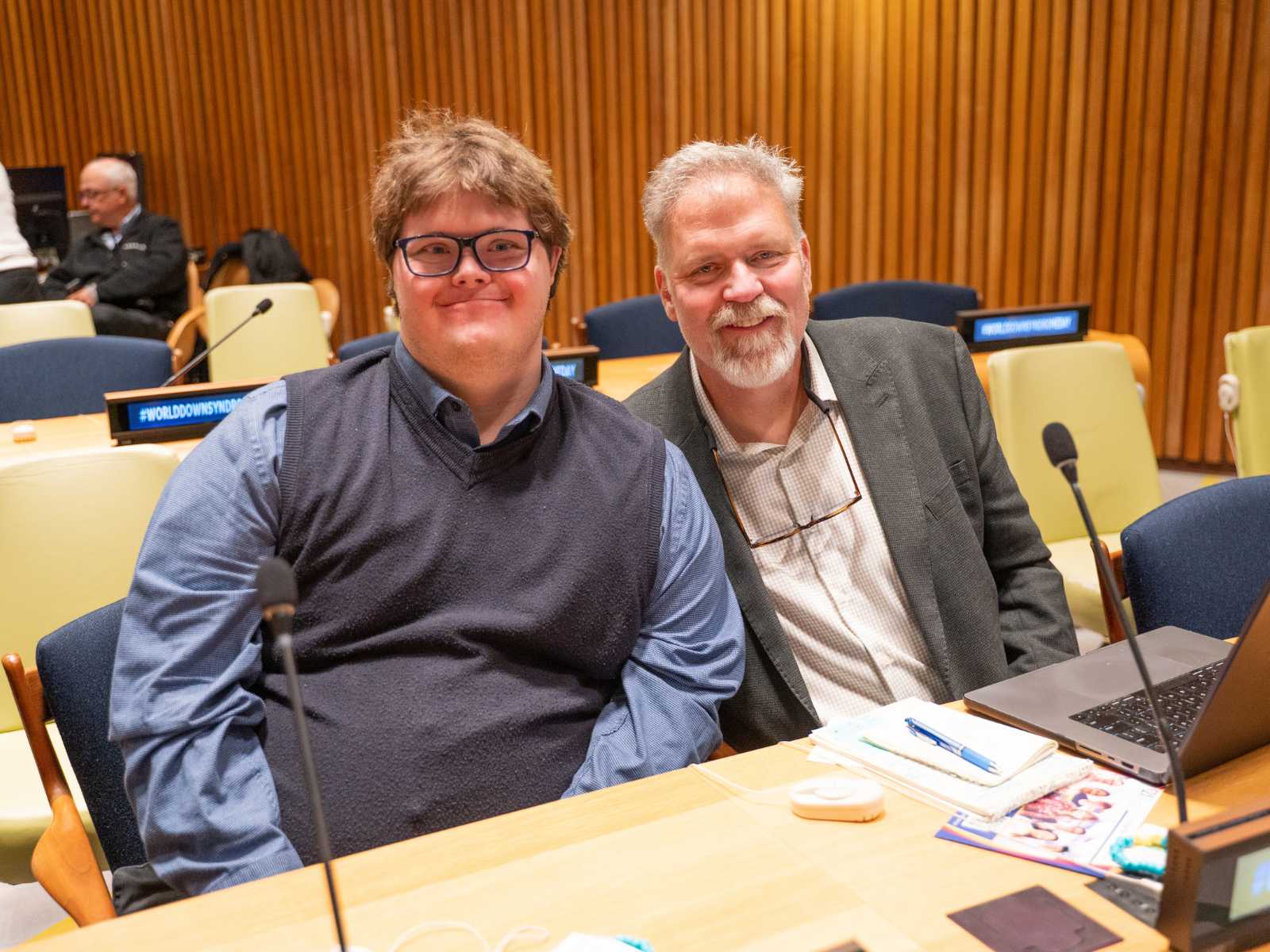
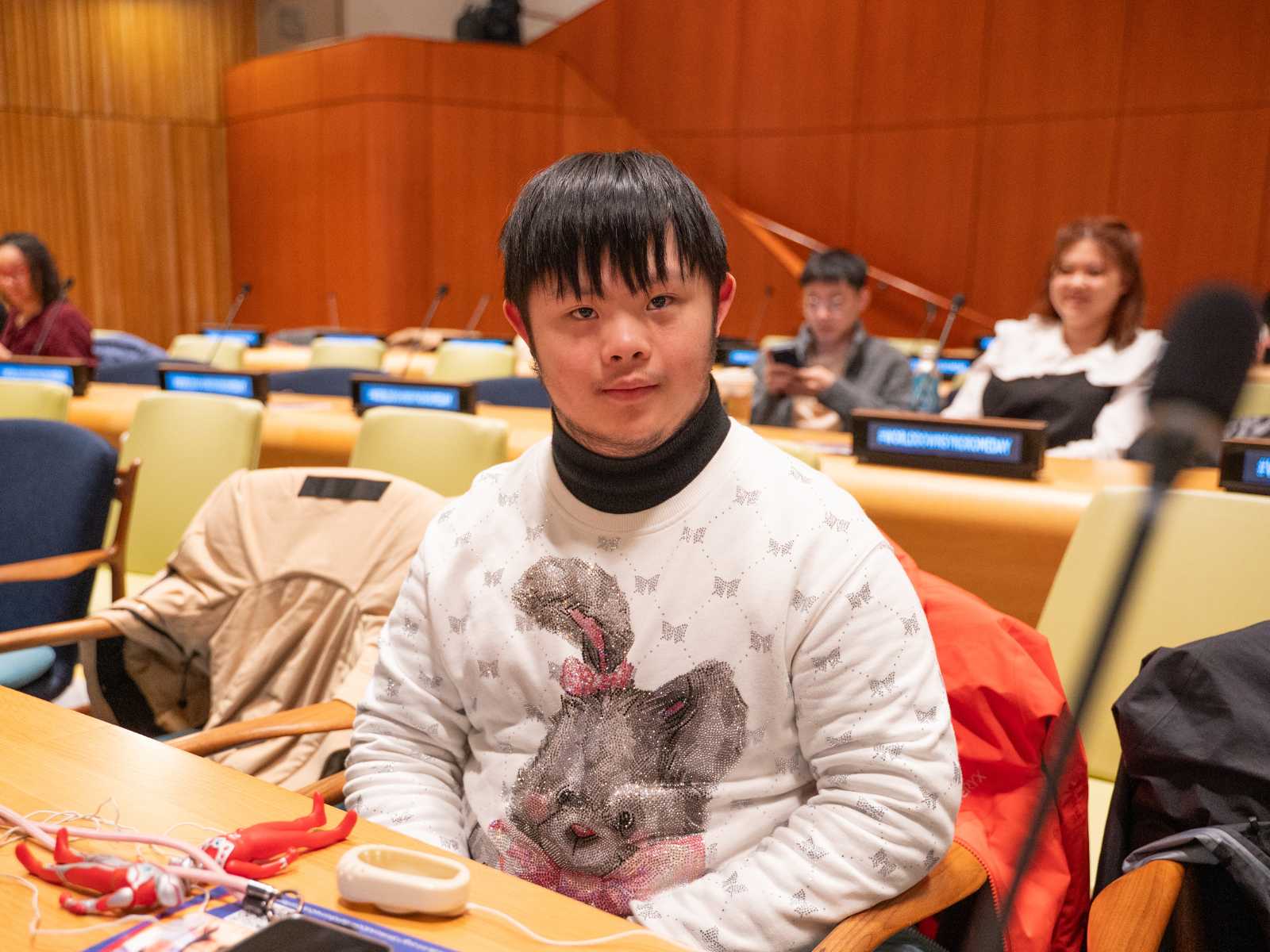
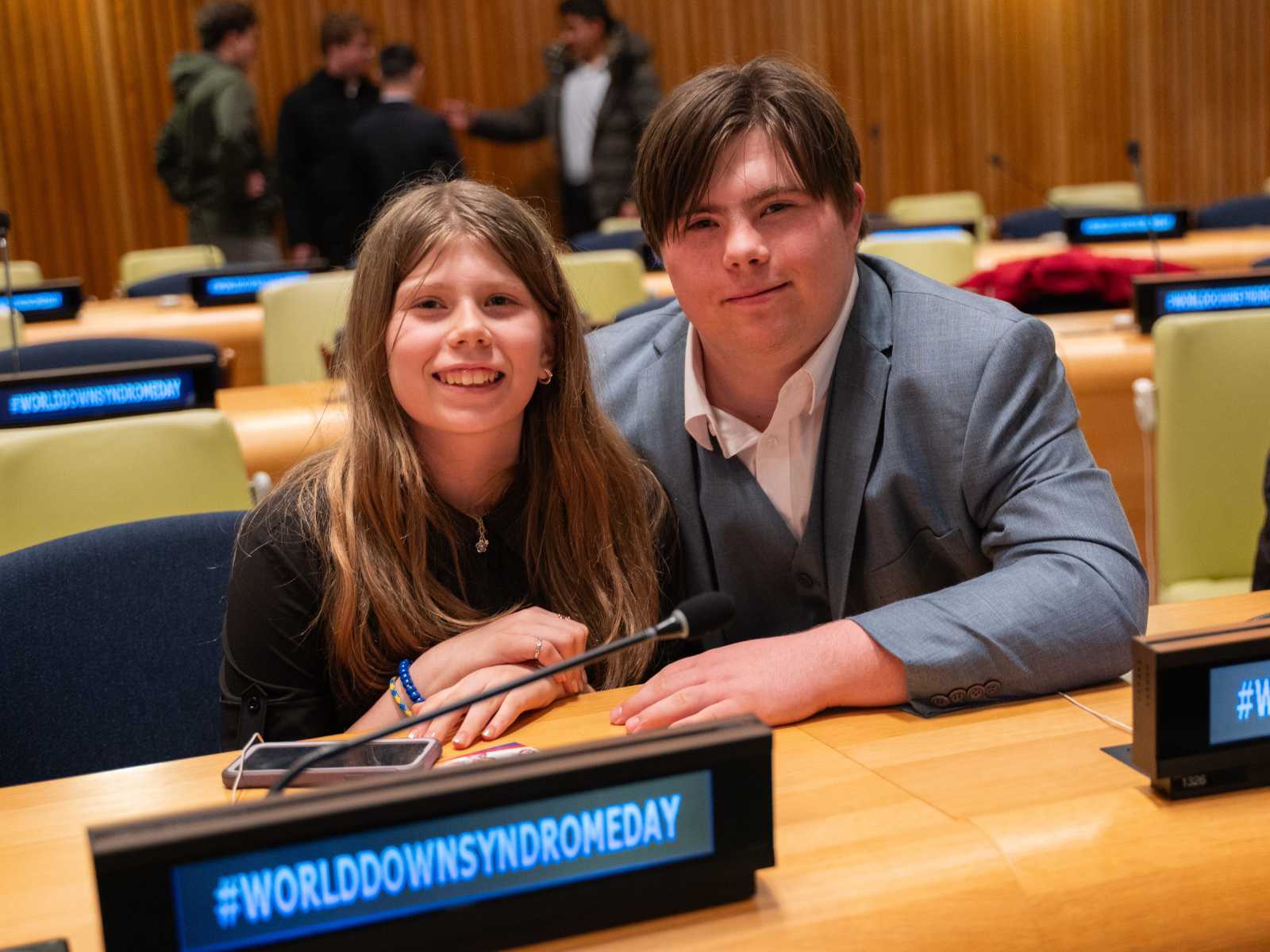
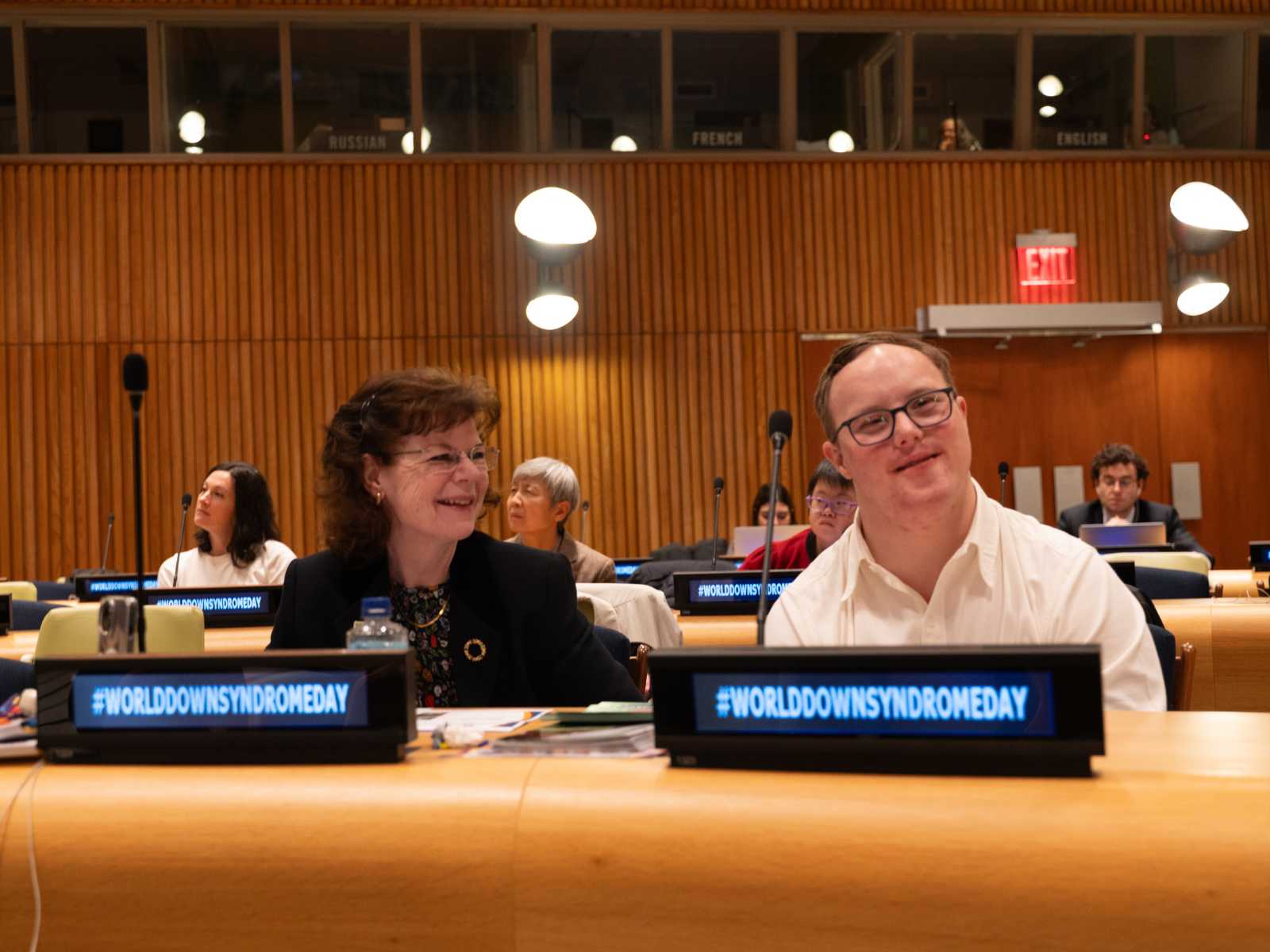
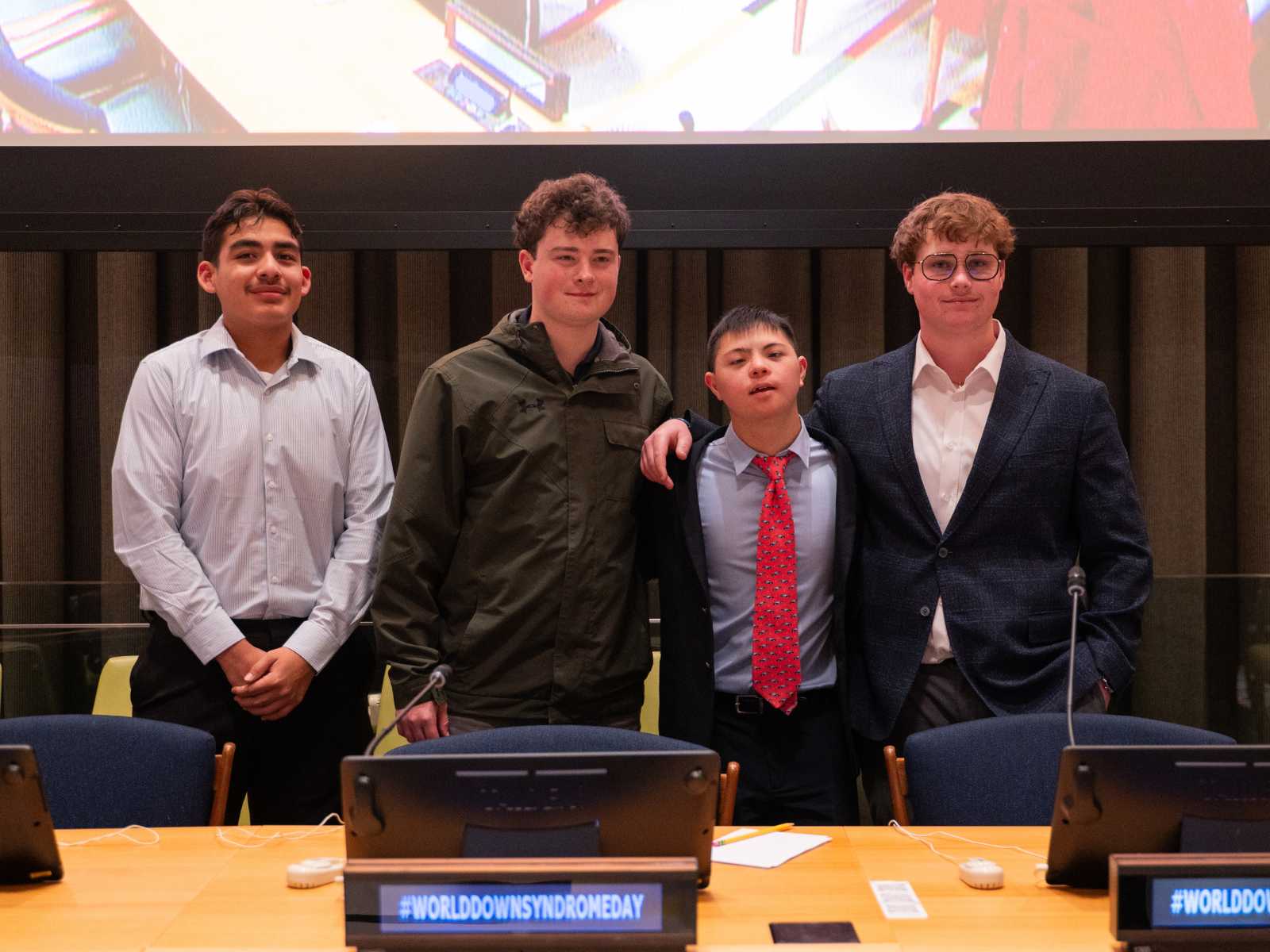
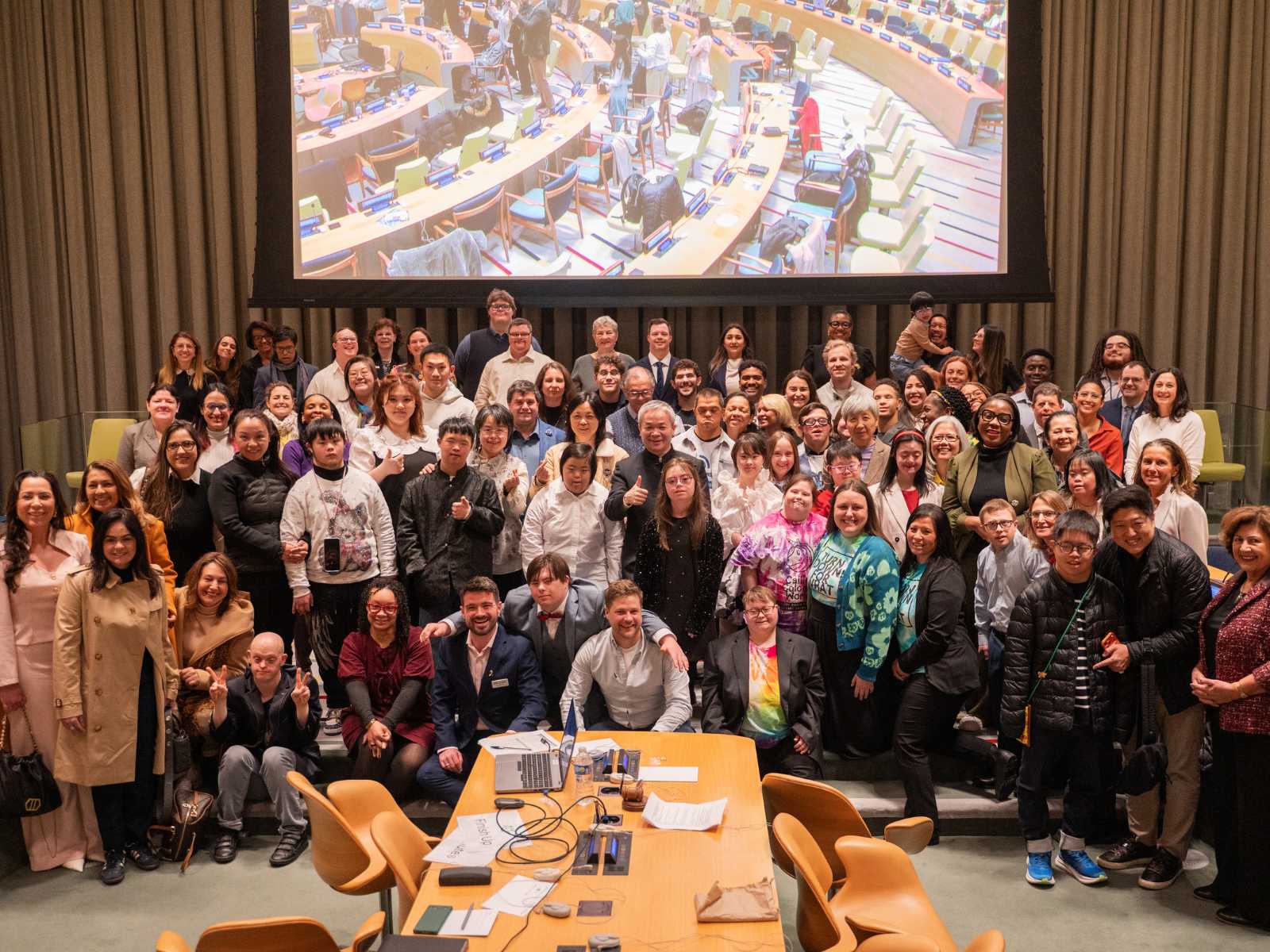
On 23 March 2026, people from around the world came together at the United Nations in New York for the 15th World Down Syndrome Day Conference.
The theme this year was Together Against Loneliness.
Why loneliness?
The numbers tell a hard story. Research shared at the event found that 42% of people with Down syndrome experience significant loneliness, compared to around 15% of the general population.
And loneliness isn't just an emotional problem - it's linked to depression, anxiety, and serious physical health conditions too.
DSI President Bridget Snedden, whose son Alex has Down syndrome, opened the day by making one thing clear: "Loneliness does not happen by accident. It happens when people are excluded, when opportunities are limited, when connections are not supported. You can be surrounded by people and still feel completely alone - because being present is not the same as being included."
What people with Down syndrome said
The most powerful voices of the day were the self-advocates themselves.
Matthew Blascovich, 17, from California, is sporty, social and well-liked - and still lonely. "People say hello but don't really talk to me after saying hello... I always have to ask other people to do things with me and no one ever asks me." His message was simple: just invite me.
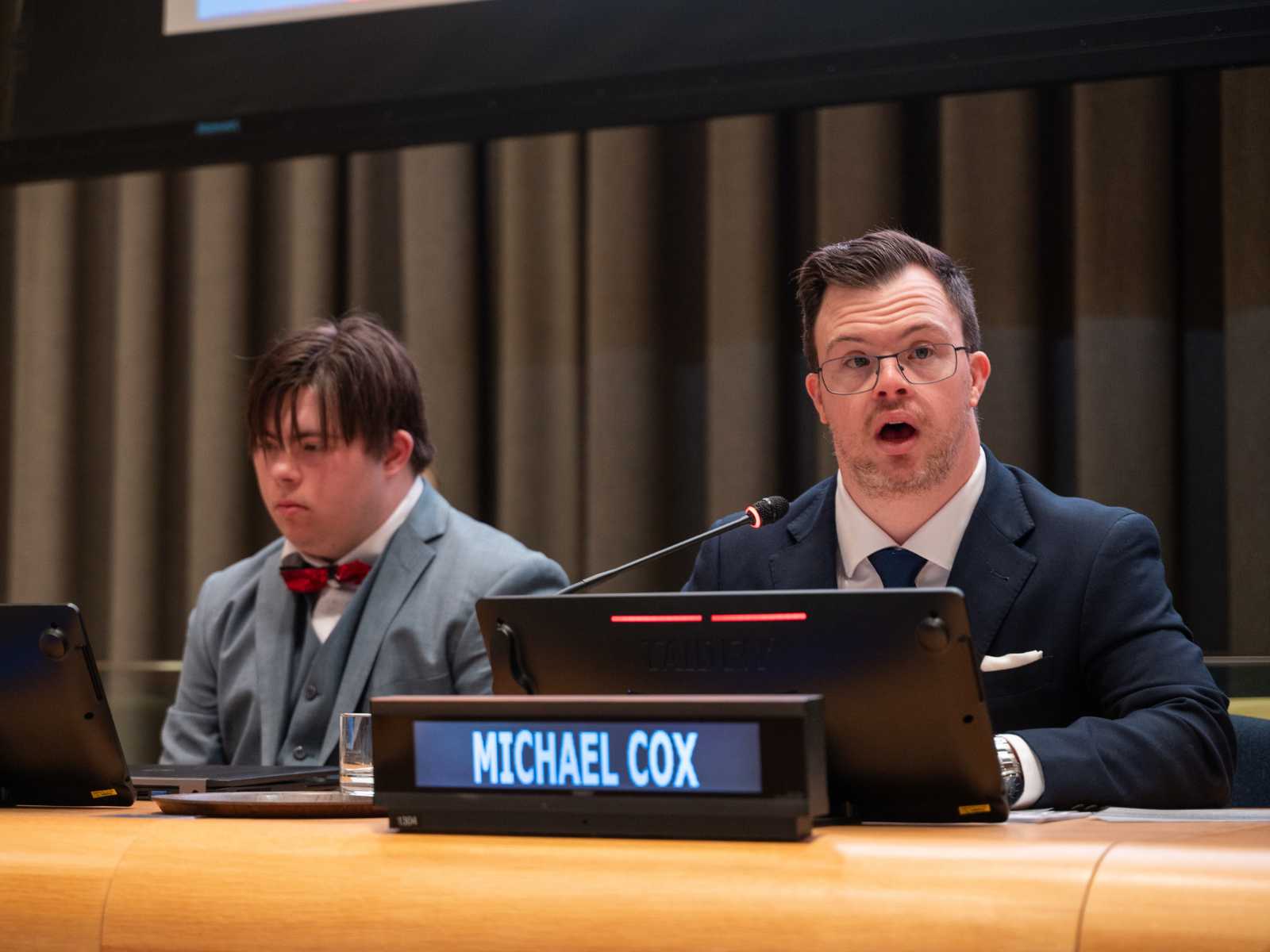
Michael Cox, a former world champion swimmer from Australia, described how sport gave him his first real sense of belonging. When he retired, he lost not just a hobby but his whole support network - showing how fragile inclusion can be.
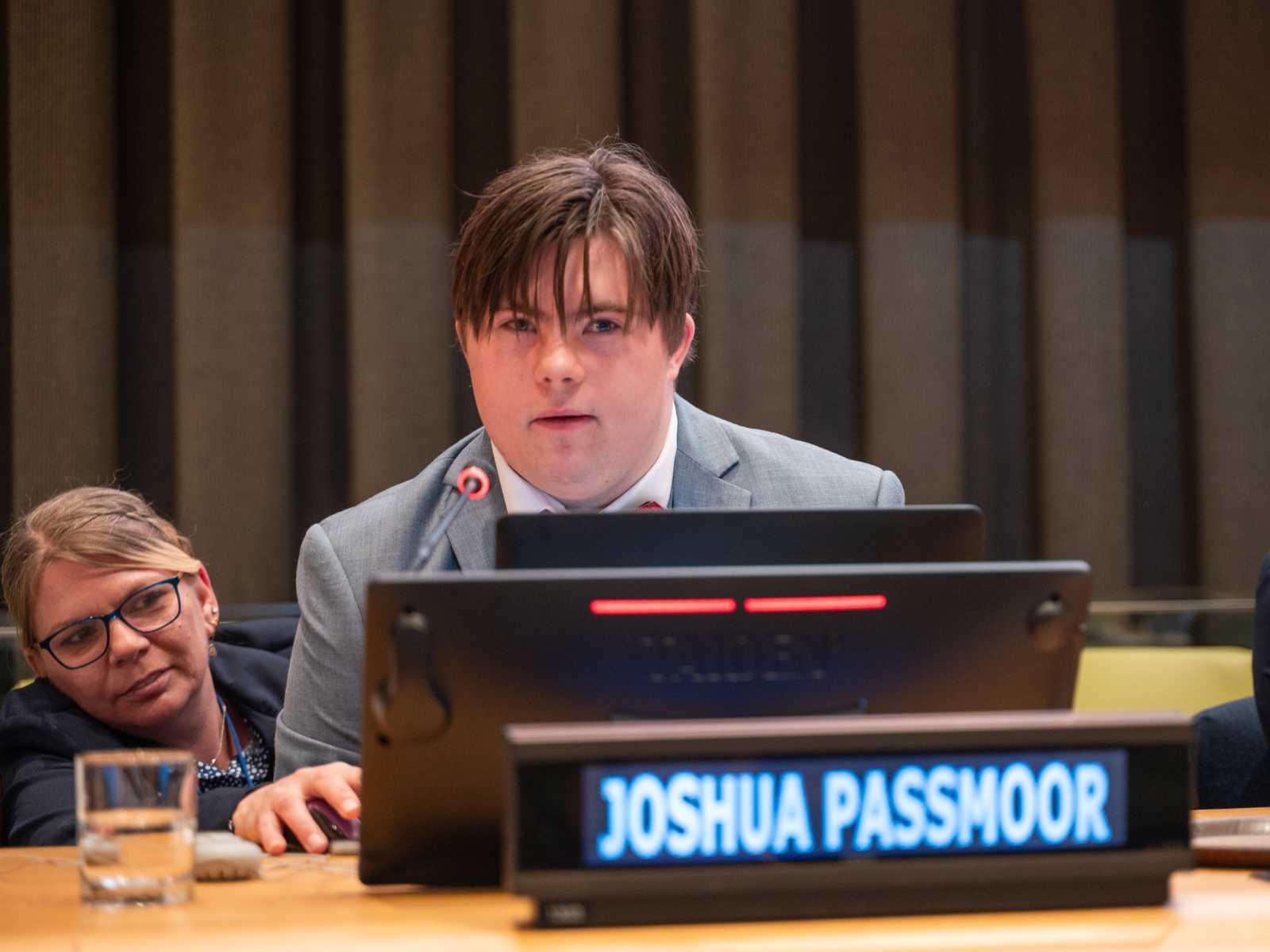
Joshua Passmoor, a 17-year-old Tae Kwon Do world champion, put it plainly: "Disability does not cause loneliness. Excluding does."
Researchers also shared what young children said about being left out - words like "sad," "alone" and "not cared about."
One five-year-old, Adrian, gave the best definition of inclusion anyone heard all day: "Inclusion means everyone, and I am a someone in everyone."
What needs to change
Speakers from Brazil, Australia, Japan, Poland and Canada all pointed to the same gaps: students with Down syndrome are too often placed in classrooms but left out of friendships; adults face a cliff edge when school ends and their social world disappears; jobs are chosen for people rather than by them; and healthcare, transport and community programmes are too hard to access.
Representatives from Canada summed it up: "We need to stop asking whether someone is present and start asking whether they belong."
Reason for hope
Alongside the hard truths, the day was full of practical examples of what works - inclusive sports programmes, community networks, disability awareness in schools, and grassroots organisations doing vital work every day.
Closing the conference, Bridget Snedden left the room with a clear message: "Loneliness is not inevitable. It is reduced when connections are strengthened, opportunities are expanded, and inclusion becomes the norm rather than the exception. That requires action from governments, organisations, and every single one of us in our daily lives."
Fifteen years after the UN first recognised World Down Syndrome Day, the call from this conference is to move from talking about the problem to actually solving it - one genuine connection at a time.
Watching the event
The whole event is available to watch for free on these links:
Photo gallery
Our thanks to Positive Exposure for providing photography at the conference.